The history of Lyon-Bron Airport dates back to 1910, when the city authorities organised the first air picnic. The airfield established at the site soon became the property of the French army, which ensured its rapid development. The outbreak of World War I resulted in the airport expanding further and taking on a greater role. In the inter-war period, French air force squadrons were stationed here.
The history of Lyon-Bron Airport dates back to 1910, when the city authorities organised the first air picnic. The airfield established at the site soon became the property of the French army, which ensured its rapid development. The outbreak of World War I resulted in the airport expanding further and taking on a greater role. In the inter-war period, French air force squadrons were stationed here.
In September 1939, the Polish Air Force was not taken by surprise by the Luftwaffe attack as the Polish aircraft and crews had been moved to other airfields even before the outbreak of war. Their location was not known to the Germans, which allowed the Polish pilots to take up the fight. After the USSR attacked Poland on 17 September, the Polish Army command decided to evacuate soldiers to the allied countries. The Poles made their way to France by various routes, via Romania and Hungary, and then via Italy, Yugoslavia or the Middle East.
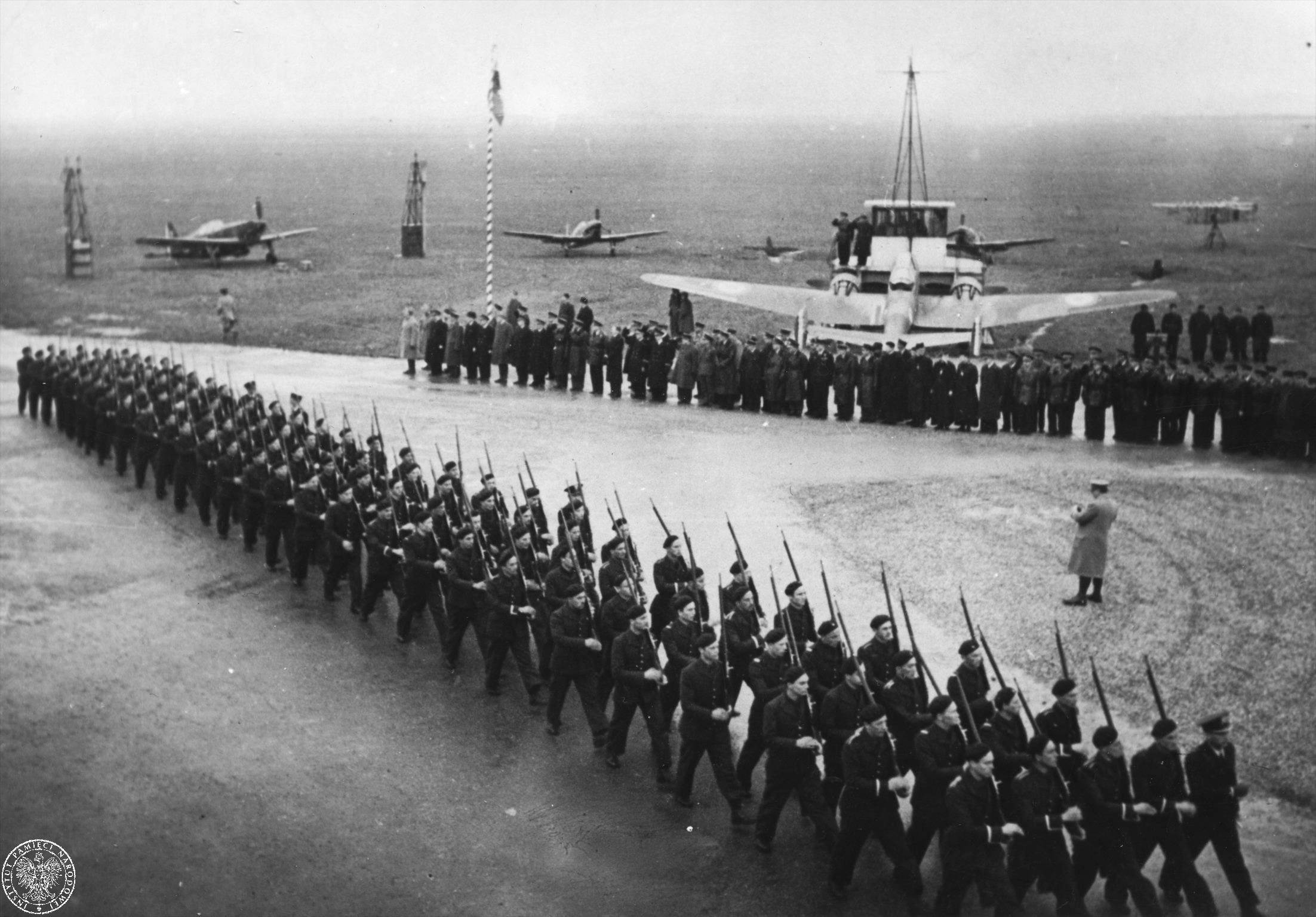
The Polish airmen were sent to the Lyon-Bron airfield which had already been designated in the autumn as the garrison for the Polish Air Force and the main training location. France was not fully prepared for the influx of such a large group of soldiers, and there were numerous organisational and technical problems. However, this did not hamper the organisation of air training; on 15 December 1939, the Air Training Centre under the command of Colonel Stefan Pawlikowski started operating at the airport. The commandant on the part of France was Colonel Charles Hug. At the same time, the airmen’s combat experience, training and military ranks were thoroughly verified.
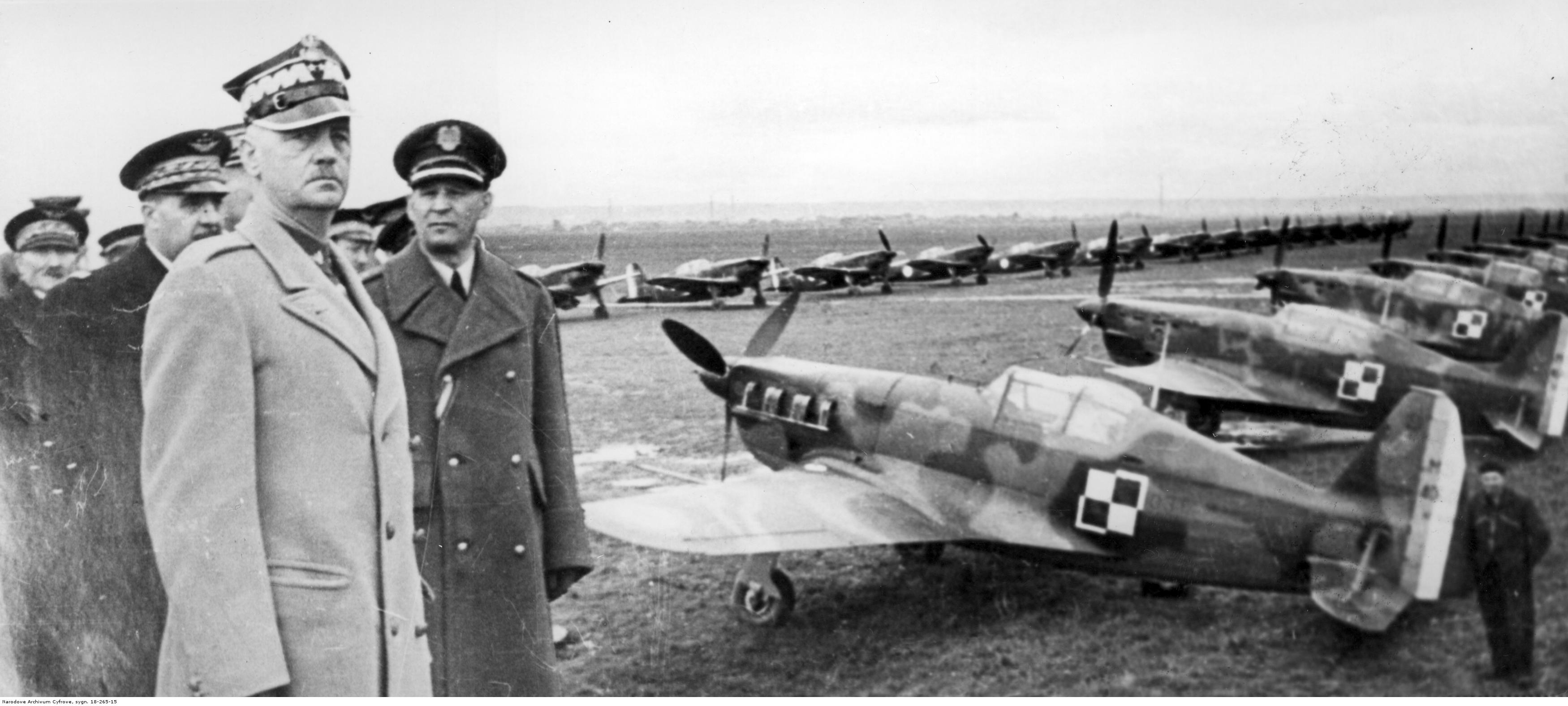
On 20 January 1940, the base was visited by Commander-in-Chief General Władysław Sikorski. The two-day visit contributed to a significant improvement in the conditions – the soldiers received unpaid salaries from the French, the food was improved, and the living quarters were equipped with beds and small stoves.
On 1 March, a Training Squadron (comprising two squadrons) for fighter pilots was set up, and Captain Mieczysław Wiórkiewicz was appointed its commander. About 40 pilots were trained in the squadron every month and they had the opportunity to learn how French combat planes operated. After this training, the Poles were sent for further training in French combat units, and then returned to Lyon-Bron Airport. The personnel trained at the base in Lyon formed the basis for the formation of two bomber squadrons and three fighter squadrons. The 3rd Fighter Squadron was informally called the Finnish Squadron as it was planned that it would take part in Finland’s battles against the USSR.
The first group completed its training as early as 16 February. The speed of the training surprised the French, who were not prepared to include the Polish pilots in their combat units. The Poles were granted leaves of absence for the time necessary to settle the formalities connected with their assignment to French aviation units.
On 27 March 1940, a ceremony was held at the airport to induct eighteen Polish pilots into service in the Armée de l'air after being assigned to French fighter units for combat training. The ceremony was attended by General Sikorski, while France was represented by Gen. Joseph Vuillemin (Commander of the French Air Force), General Louis Picard (Chief of the French Air Force Staff) and General Victor Denain (Head of the French Military Mission to Poland).
Until May 1940, the I/145 Polish Squadron was also stationed at the airport, but after fighting began it was moved to other airfields. The remaining pilots formed the Training Fighter Squadron to defend Lyon from Luftwaffe bombing raids.