Balachadi is a village in Jamnagar district, in India’s Gujarat state. It was an estate belonging to the rulers of Nawanagar and served as their summer seaside resort.
As a result of the Sikorski–Mayski agreement, hundreds of thousands of Polish citizens who had been arrested and deported deep into the USSR in the years 1939-1941 were evacuated from the Soviet Union. Among those repressed were children whose fate in exile was particularly tragic. The evacuation of young Poles from the Soviet Union was an extremely difficult undertaking, but it resulted in the rescue of approximately 18 thousand children.
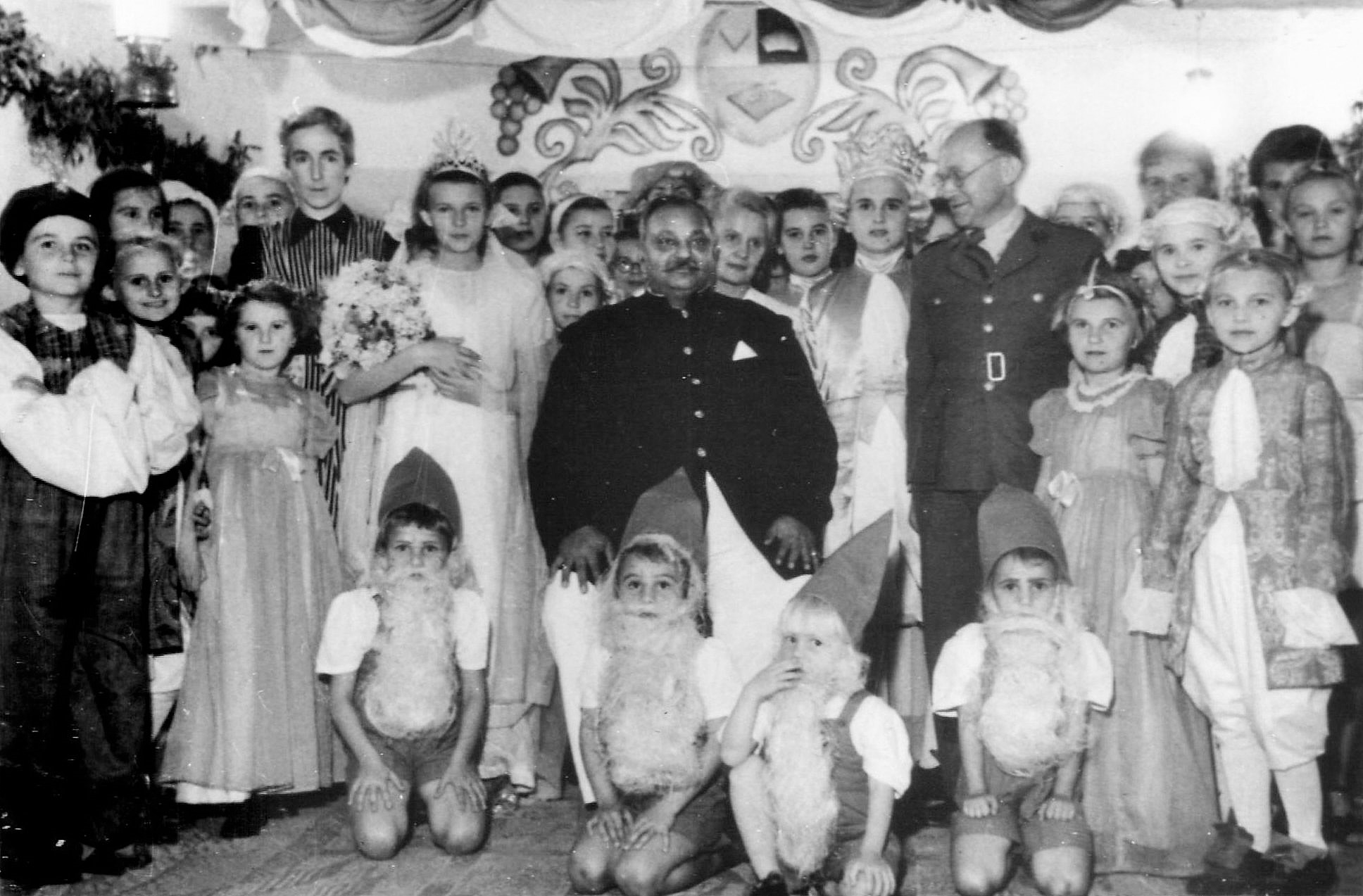
One of the destinations for the evacuated children was India. In August 1943, there were 5576 refugees, some of them in the camp in Balachadi. The children were sent to a camp set up on the initiative of the Hindu Maharaja of the Princely State of Nawanagar. His name was Digvijaysinhji Ranjitsinhji Jadeja and he decided to use his summer residence as a refugee settlement.
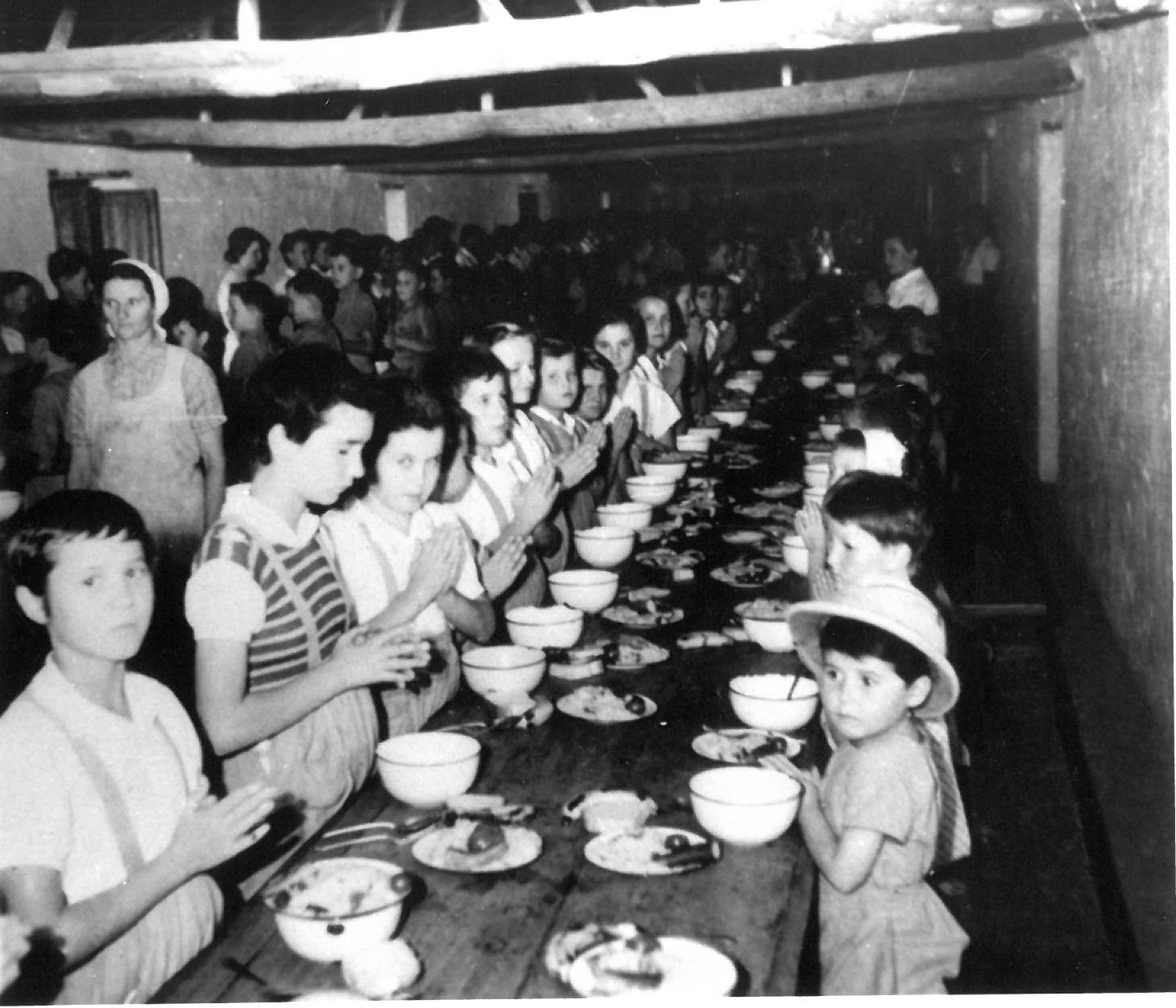
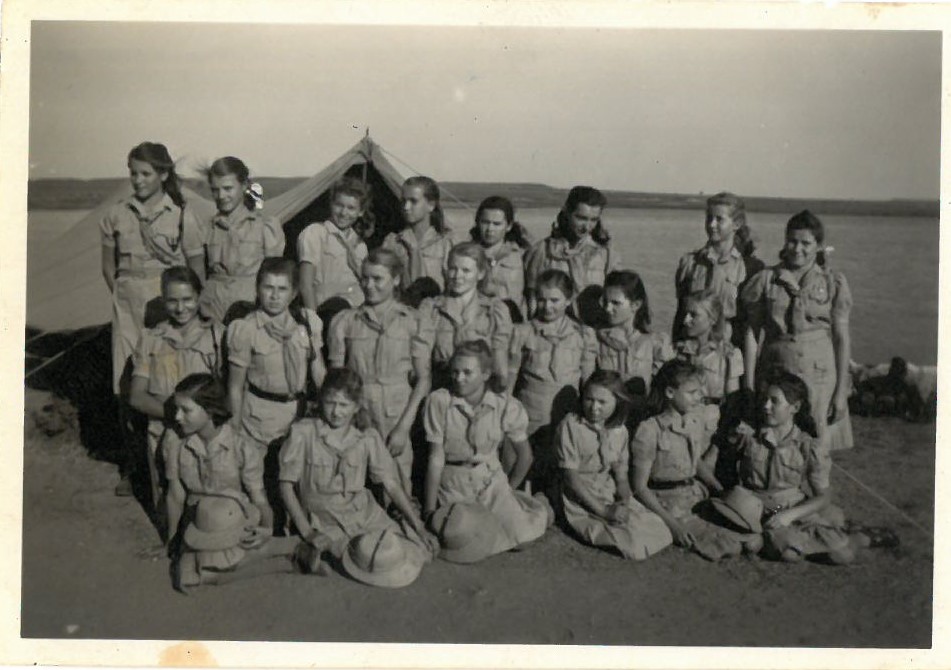
The Polish Children’s Camp established in Balachadi in July 1942 provided shelter to 650 children. The Maharaja was personally involved in the construction of this settlement. In order to improve the living conditions, he ordered the area to be afforested and enriched with banana and papaya saplings and flowers. He also persuaded the House of Indian Princes to support the Polish refugees financially. He was interested in Polish culture and literature as a result of his earlier acquaintance with Ignacy Jan Paderewski, whom he met in the 1920s while staying in Switzerland. The Indian aristocrat earned great sympathy among the Polish children, he often visited them and participated in celebrations organised in the settlement. When asked by General Władysław Sikorski how to repay his kindness, the Maharaja was said to reply “In liberated Poland, name one of Warsaw’s streets after me.” Today, in the Ochota district in Warsaw, there is the Good Maharaja Square and a monument commemorating him.
After the end of World War II, in order to avoid the forced repatriation of the orphans to communist Poland, the Maharaja – together with Father Franciszek Pluta, the settlement commandant, and Lieutenant Colonel Geoffrey Clark, a British liaison officer – collectively adopted them, which was confirmed by the court in Nawanagar. This enabled them to decide the further fate of the children who were declared orphans. The Balachadi settlement existed until 1946, when the residents were moved to the largest camp in Valivade which was located about 400 km south of Bombay.
To this day, “The Circle of Poles from India” has been actively cultivating Polish traditions. As part of the cooperation, in 2019 the Circle donated a collection of documents to the Archives of the Institute of National Remembrance, including the lists of refugees’ names, unique photographs and documents about the daily lives of children evacuated from the USSR.