The city of Plymouth is one of the largest natural harbours in the world. There is evidence of human habitation in this area dating back to the Bronze Age. During the Roman Empire, the settlement was an important point on trade routes. In the 17th century, English settlers set out from here to establish the Plymouth Colony in North America. The Industrial Revolution brought further growth and importance to this British town, which became a major centre for maritime trade and the shipbuilding and
The city of Plymouth is one of the largest natural harbours in the world. There is evidence of human habitation in this area dating back to the Bronze Age. During the Roman Empire, the settlement was an important point on trade routes. In the 17th century, English settlers set out from here to establish the Plymouth Colony in North America. The Industrial Revolution brought further growth and importance to this British town, which became a major centre for maritime trade and the shipbuilding and armaments industries.
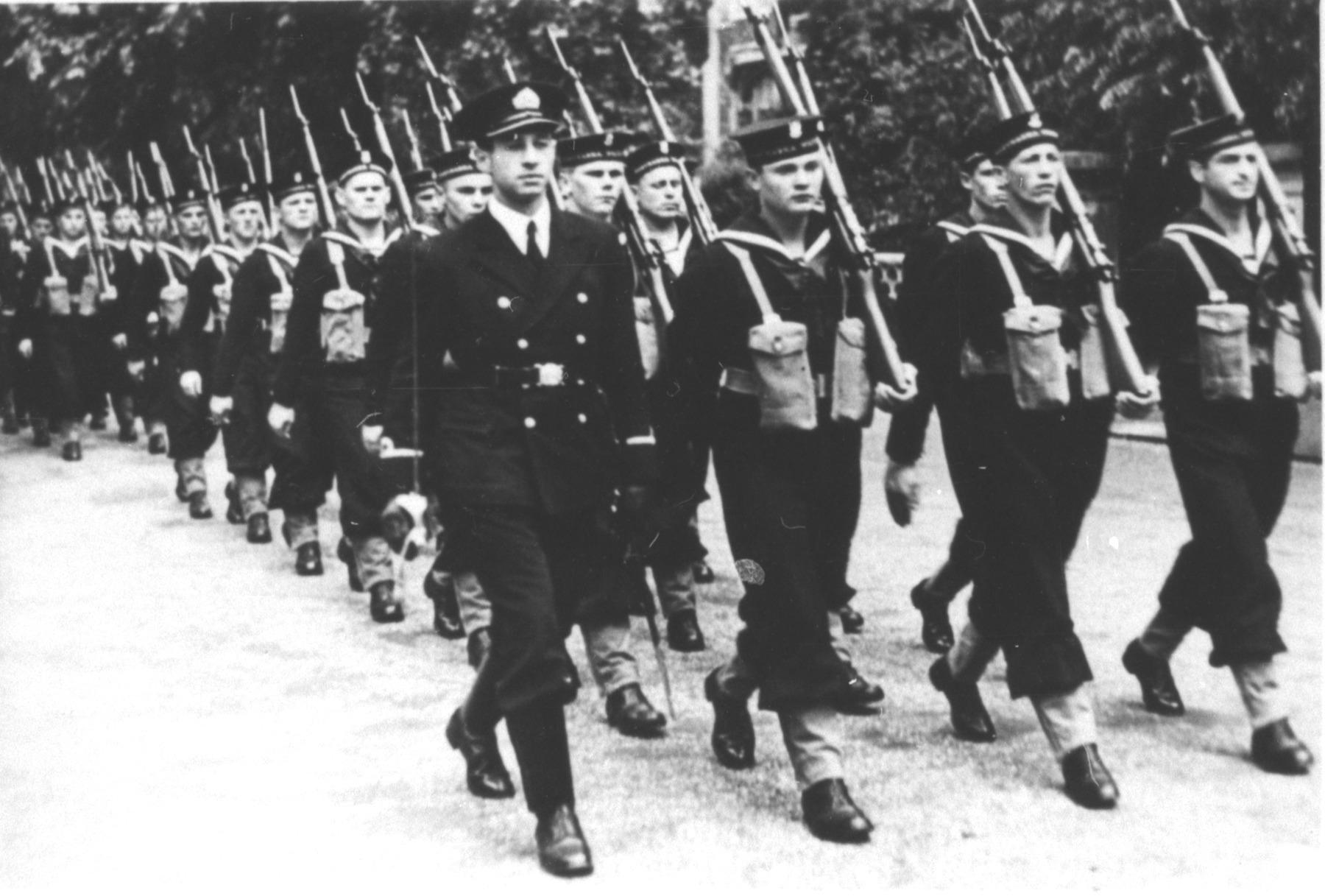
As early as the autumn of 1939, ORP Gdynia moored in Plymouth which became the first Polish naval base. Thus, Plymouth became a place forever associated with the Polish Navy. The Concentration Station started its operations here, and it was also the headquarters of the Southern command of the Polish Navy. It was here that the Naval Cadet School found shelter and resumed the provision of education as early as November 1939. It was attended by cadets from two classes who were undergoing training in the Atlantic and the Mediterranean at the outbreak of the war.
In June 1940, Poles evacuating from mainland Europe after the defeat of France arrived in Plymouth. Many of them joined No. 302 “Poznański” Fighter Squadron which was stationed at nearby RAF Harrowbeer and took part in the defence of Plymouth harbour against Luftwaffe raids.
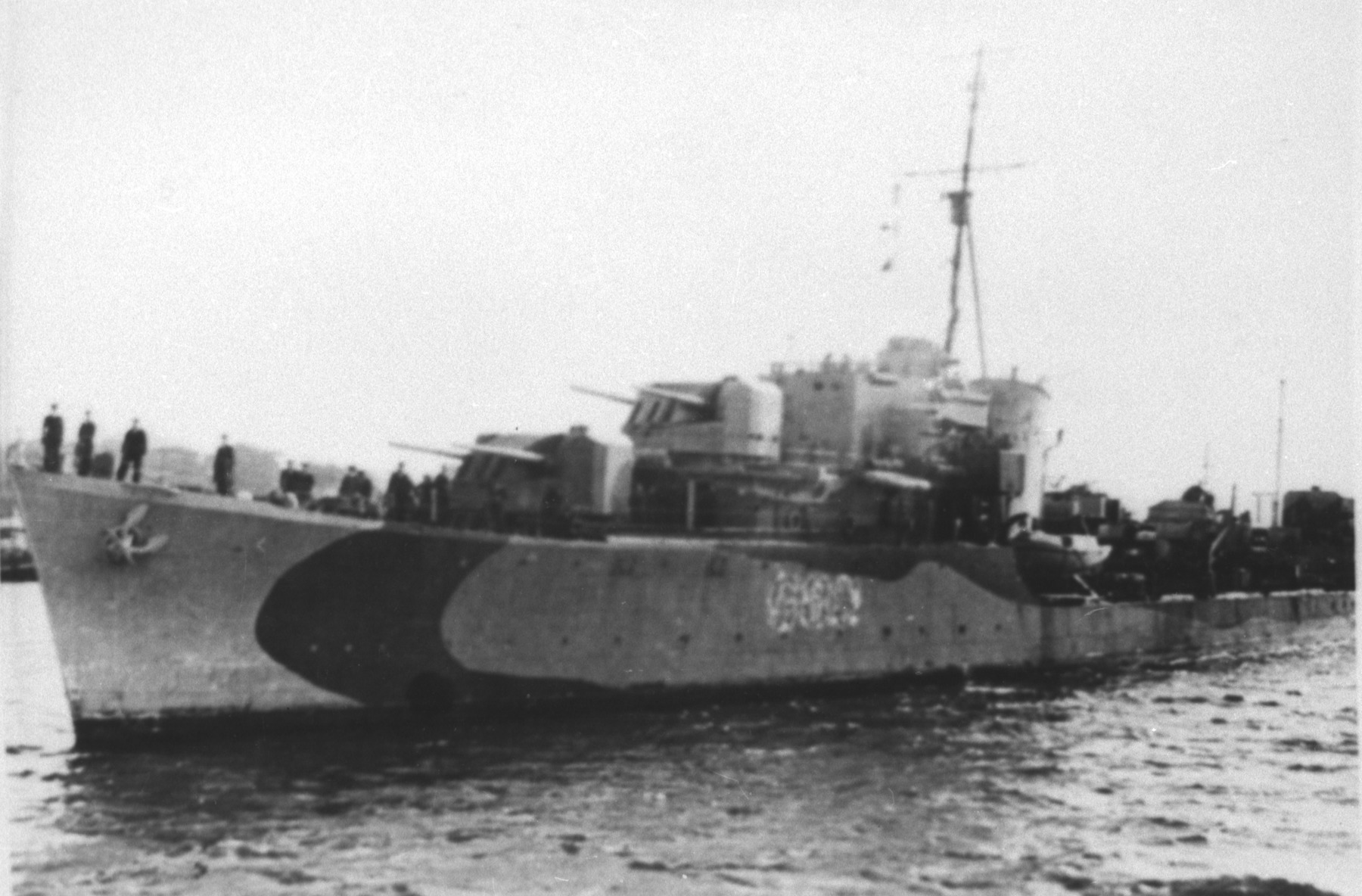
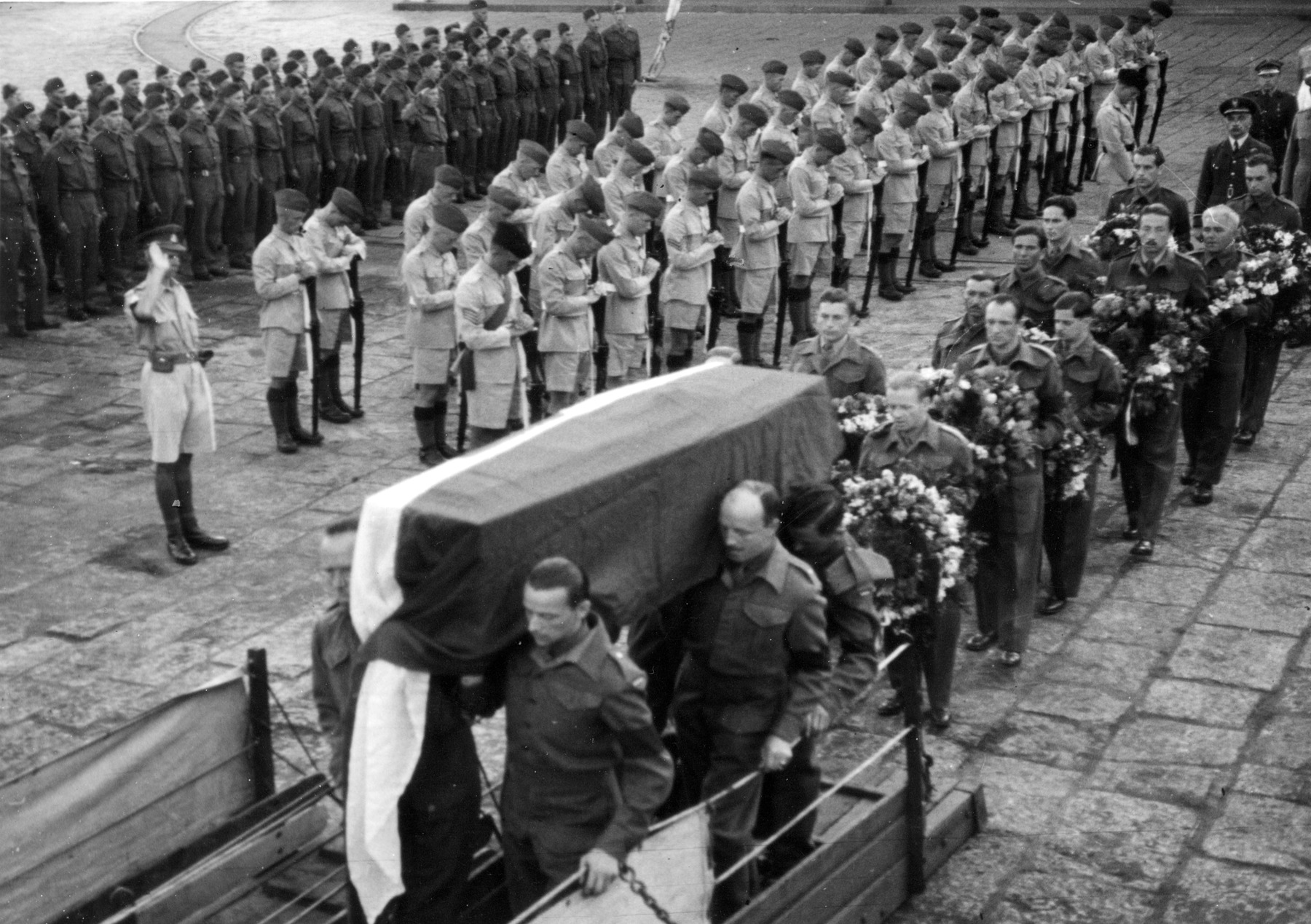
It was also the port where ORP Orkan called at in July 1943 when transporting the coffin with the body of the Prime Minister of the Polish Government, General Władysław Sikorski, from Gibraltar to the British Isles.
As the Polish Navy developed, the 2nd division of torpedo boat destroyers consisting of ORP Krakowiak and ORP Kujawiak was stationed in Plymouth. In December 1944, the Naval Camp named ORP Bałtyk was established here.
The presence of Polish seamen and airmen has been remembered in Plymouth. Remembrance Sunday is celebrated to this day, and it commemorates the efforts of the airmen and seamen of the Allied Forces during World War II. City officials lay wreaths at the Air Forces Monument and at the plaque commemorating the role of the Polish Navy. The city has been twinned with Gdynia since 1976. One of the roads into Plymouth is named Gdynia Way, and the fountain in the city centre on the St. Andrews Cross roundabout is also named after this partner city.