During World War II, Valivade was a small settlement in India located in the suburbs of Kolhapur. The history of the town dates back to the Middle Ages, and it is mentioned in Hindu mythology as having been founded by the demon Kolhapur. During World War II, it was a small textile centre.
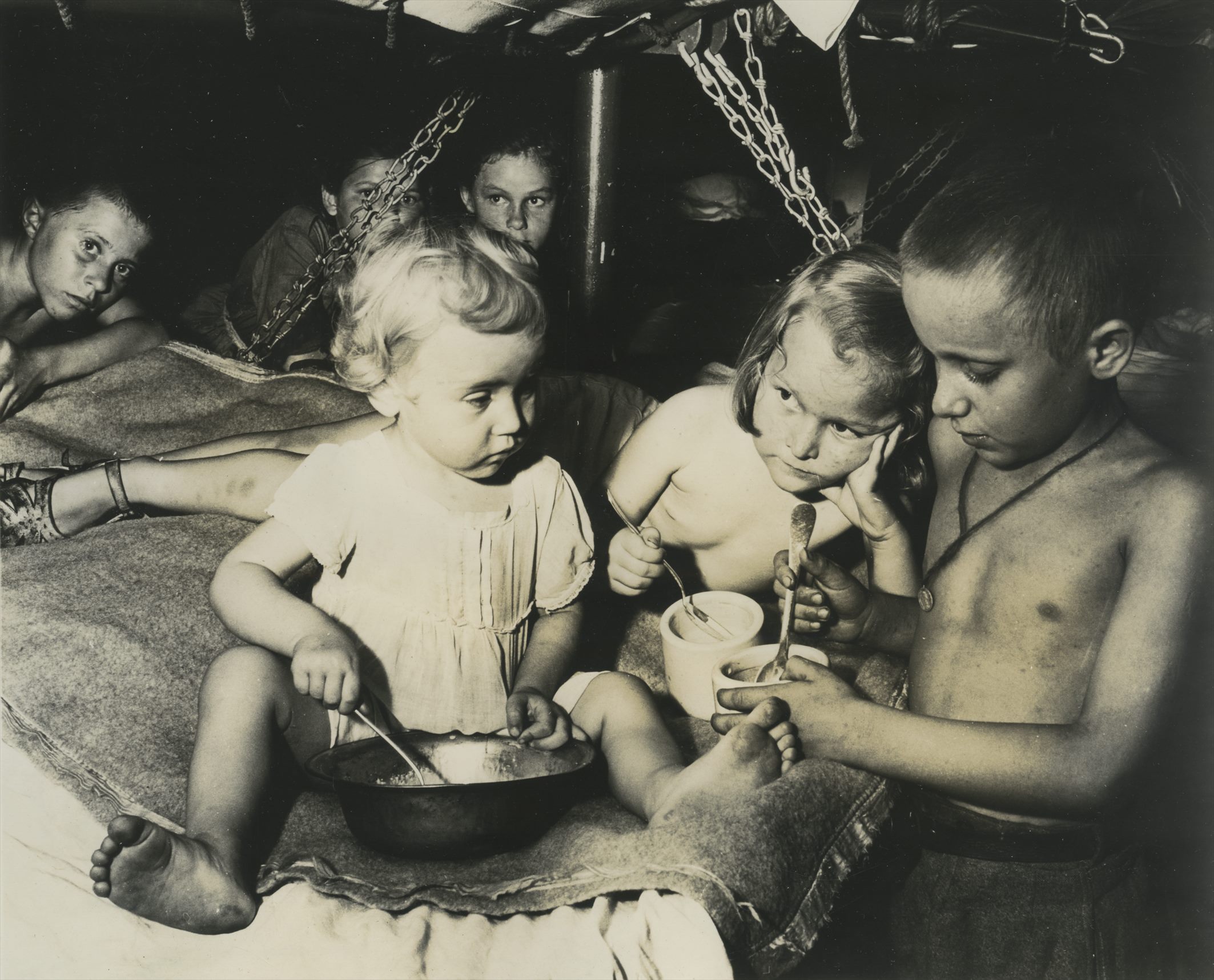
General Władysław Anders, along with evacuated Polish Army troops, led tens of thousands of Polish civilians out of the USSR. This was only one-third of 315 thousand people deported to Siberia in the years 1939-1941. Most of them were in poor physical condition caused by hunger and the harsh conditions in Siberia.
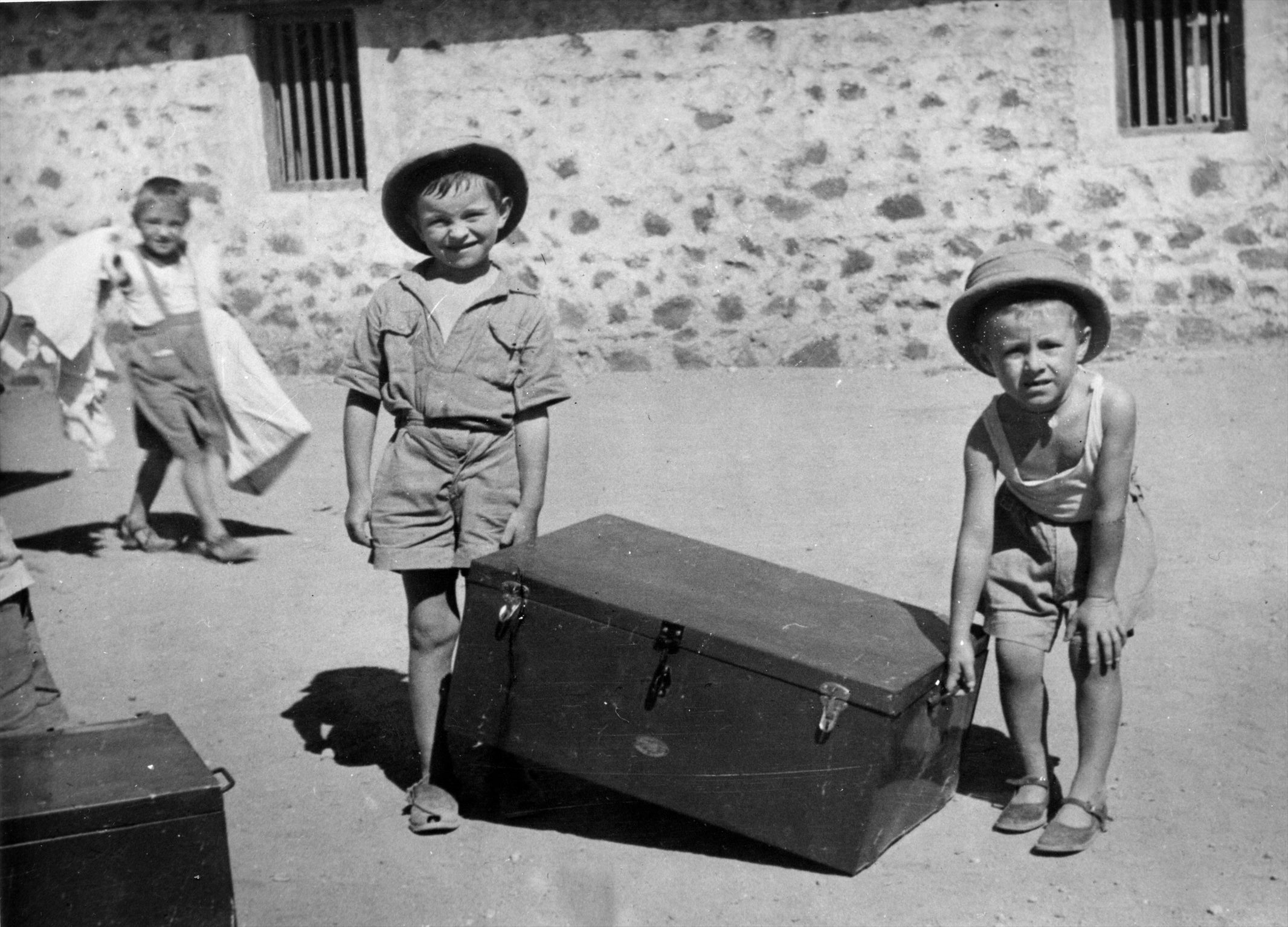
To save these people from death, places were sought where they could convalesce and build their lives anew. British colonies declared their willingness to accept a large group of Polish refugees, among these was India which offered shelter for 10 thousand people. The Delegation of the Ministry of Labour and Social Welfare of the Polish Government in Exile and the Polish Red Cross started organising the camps. The largest such centre in India was Valivade which received 5 thousand people, mainly mothers with children. Construction of the camp began in March 1943 and was supported by the authorities of the independent state of Kolhapur, who allocated favourably situated land with a friendly climate to site it on.
The area of the camp was divided into five districts and each family was given a separate house with two bedrooms and a kitchen. They were provided with basic equipment and the camp had its own water supply system. A variety of trees and bushes were planted around the houses. In addition to the support provided by the local authorities, the residents received monthly financial assistance from the Polish authorities.
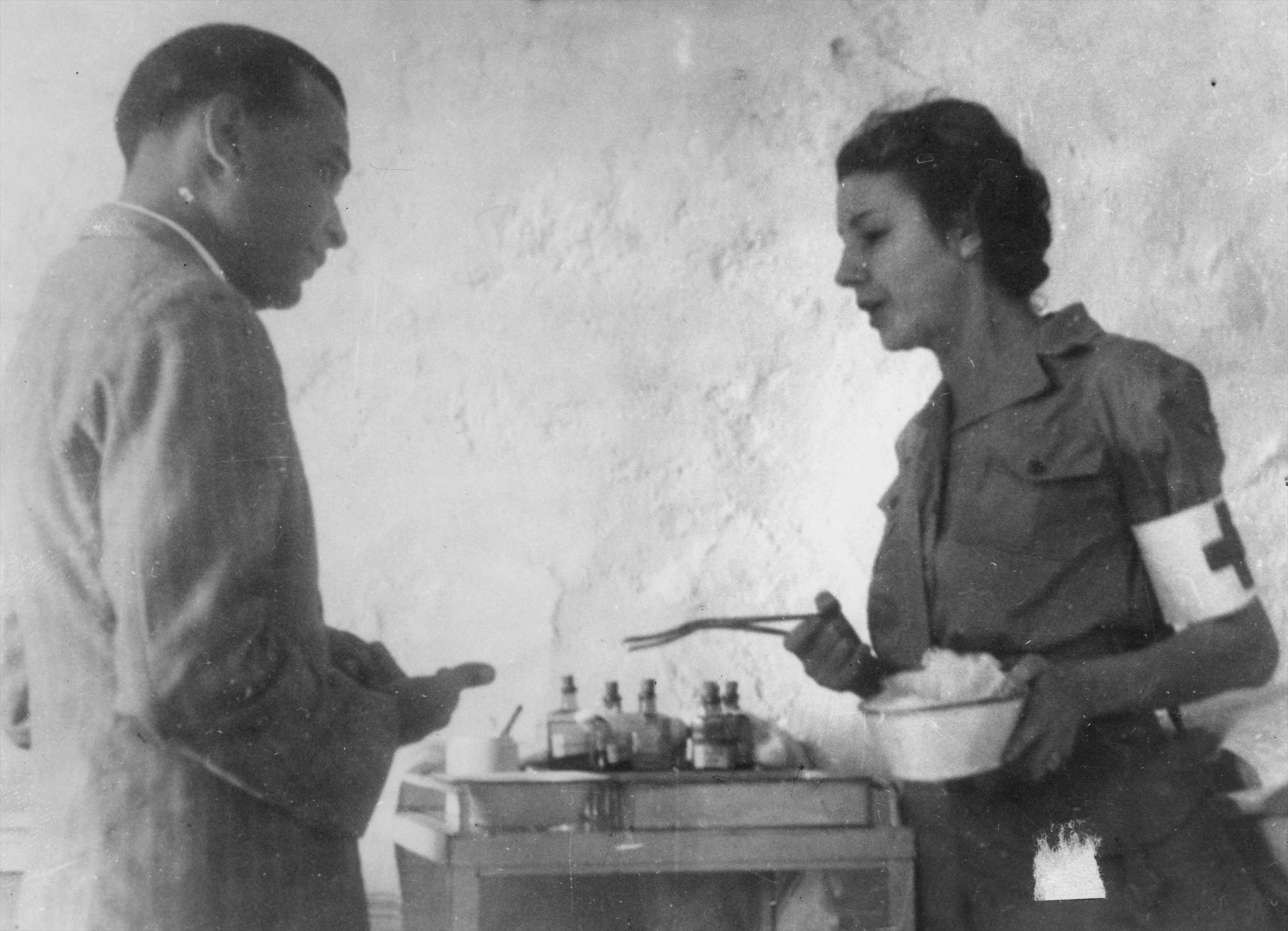
The Poles were given the opportunity to create their own educational system and organise their cultural life. The youth took part in sporting activities, there were Polish scouts, a Sodality of Our Lady, a local theatre that staged plays, and libraries that organised public readings of books. Medical care points were also established – wounded soldiers of the Polish Armed Forces underwent convalescence there.
The camp was closed in 1947. The Poles, who wanted to be reunited with their families and look for a new place to live, left for Europe, the Americas, Africa and Australia. The local cemetery includes 78 graves of Poles who died during the operation of the camp. The Poles who died in the Valivade camp were commemorated with a plaque unveiled in Kolhapur in 1975. In 1998, the Circle of Poles from India funded an obelisk placed in Mahaveer Garden Park as a token of gratitude for the help offered. In September 2019, in, a memorial to the Polish residents of Valivade was unveiled in the settlement. The local authorities also declared that a museum dedicated to the fate of Poles in India would be established there in the near future.