Northolt Airfield, located near London, is the oldest Royal Air Force base, opened in 1915. After the end of the First World War, it was a modern airfield used by both the RAF and civil aviation.
The outbreak of World War II made it a key element of Britain’s air defence system. During the Battle of Britain, the squadrons that fought to defend London took off from here. After World War II, Northolt Airport was used for the purposes of both military and civil aviation. When Heathrow Airport was being rebuilt, this airfield was used for commercial civilian flights and became the busiest airport in Europe.
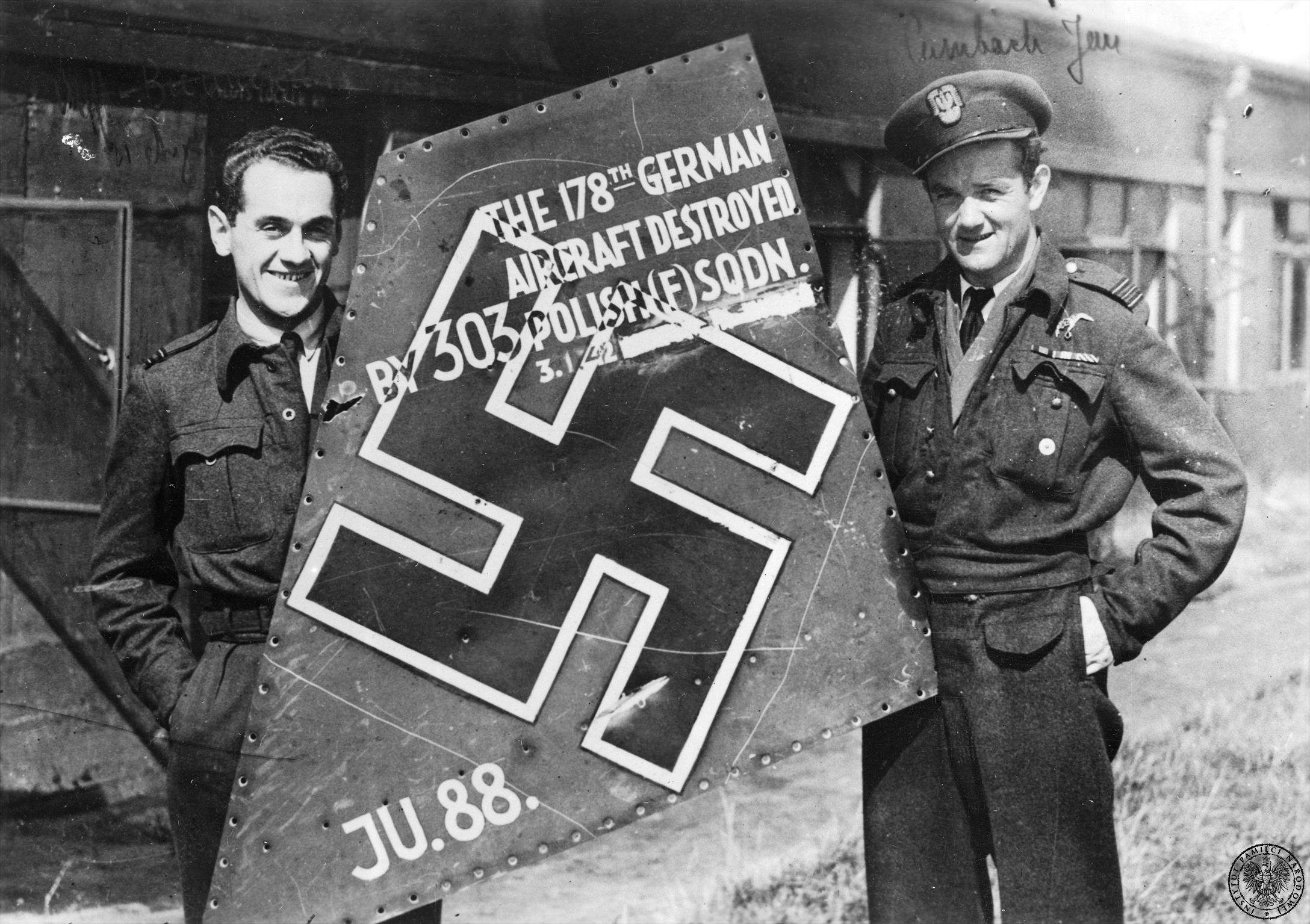
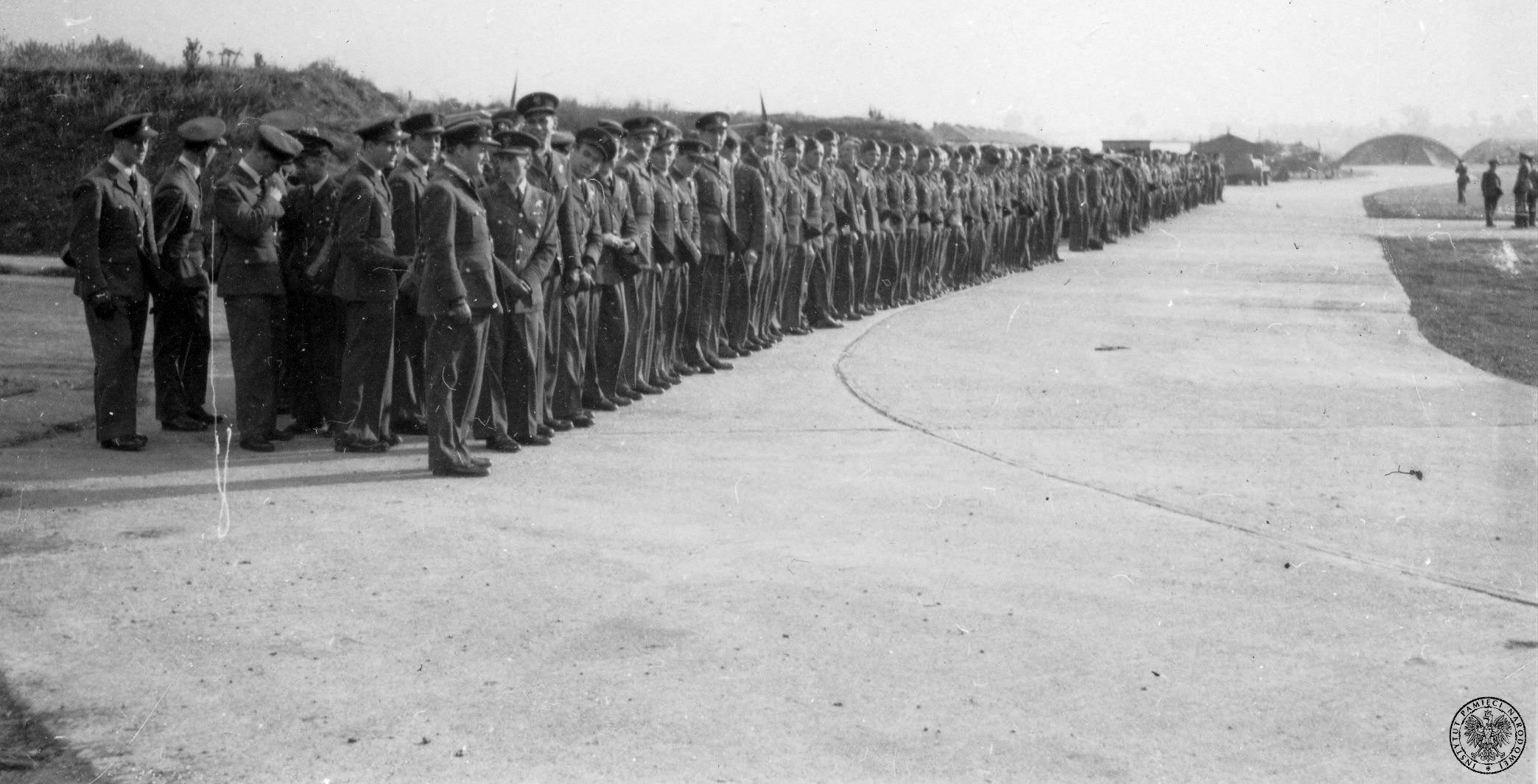
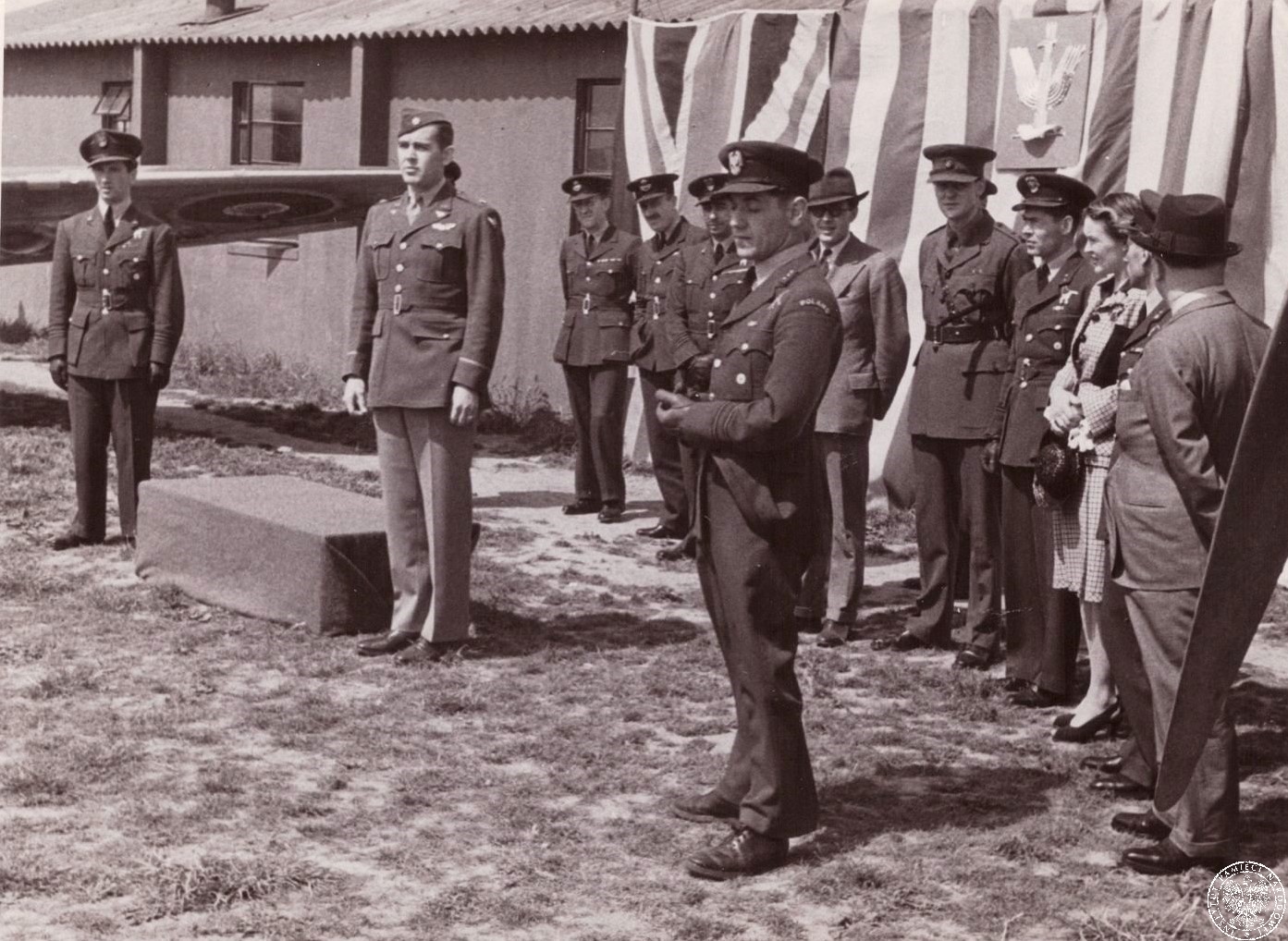
On 2 August 1940, the 303rd “Tadeusz Kościuszko” Fighter Squadron started training here, and soon after that, on 31 August, it commenced combat flights during the Battle of Britain. In time, Northolt Airfield became ‘Polonised’ as it was used exclusively by Polish fighter squadrons. It was also here that the first large unit of the Polish Air Force was formed. On 15 March 1941, the 1st Polish Fighter Wing consisting of the 303rd, 306th and 308th Fighter Squadrons started to be organised here. In later years, planes from the Polish 302nd, 315th, 316th and 317th Squadrons also took off from here.
The Poles recalled that for other pilots who were not stationed at Northolt the airfield was very difficult to find. This was because of the excellent camouflage introduced by air station commander Stanley Vincent. Tadeusz Schiele noted in his memoirs:
A winding blue river ‘flowed’ through the dark strip of one of the one and a half kilometre long runways, and the hangars painted in wavy stripes could hardly be seen from the air.
Today Northolt is still an active RAF base. The heroes of World War II have not been forgotten and their memory is still cherished. The airfield canteen building where Polish pilots rested between flights has been preserved. A chapel with an altar made by Polish mechanics has also survived. In 2011, an exhibition on the history of the Polish Air Force was opened at the airfield. The exhibits include a Polish pilot’s uniform, squadron badges, medals and original maps.
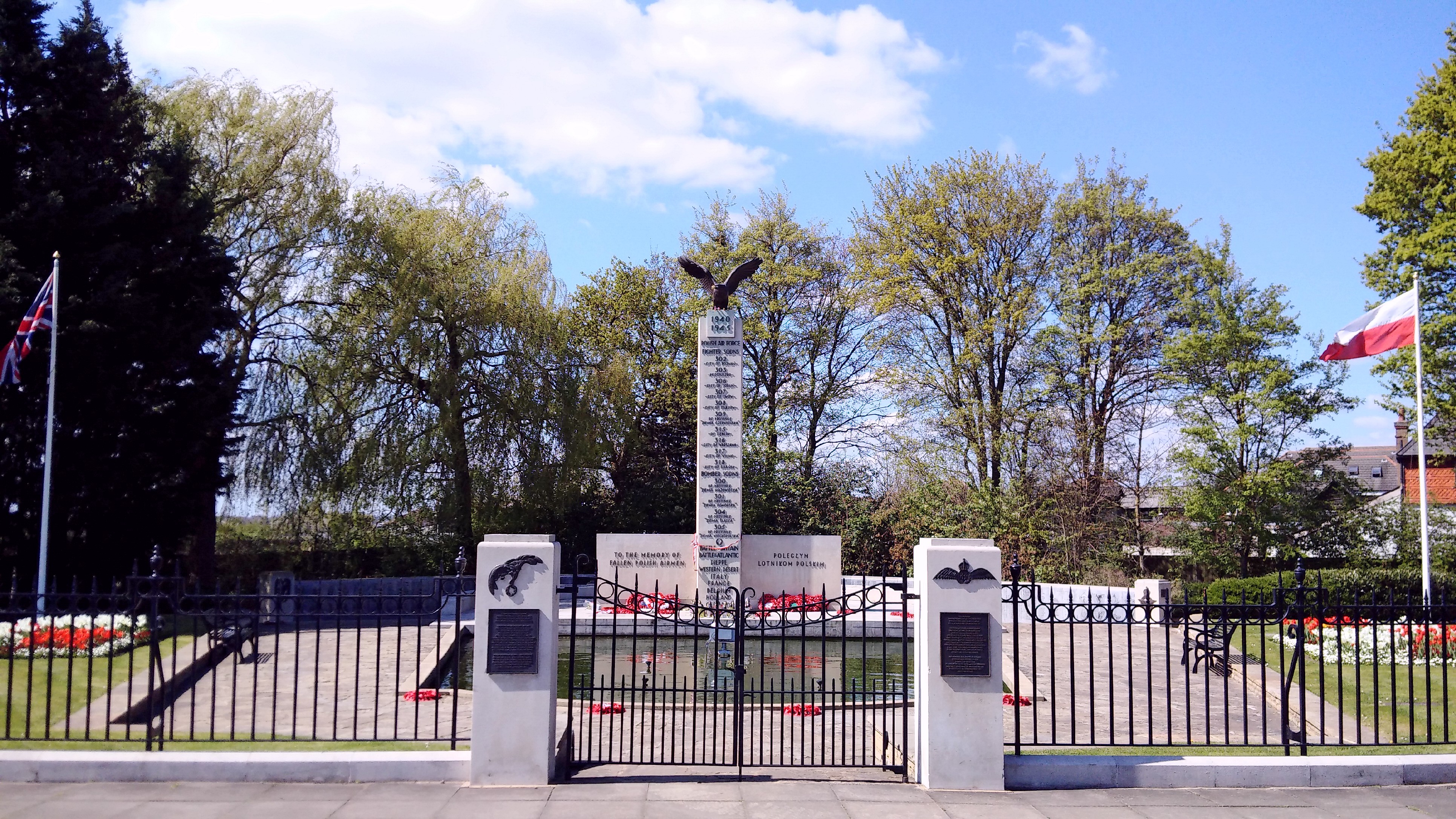
The Polish War Memorial erected next to the airfield was unveiled on 2 November 1948. It was built on the initiative of the Polish Air Force Association and designed by sculptor Mieczysław Lubelski. The monument bears the names of the Polish squadrons and of 1,905 fallen Polish airmen.