Shahrisabz, a town on the Kashka-Daria River with centuries-old links to the Silk Road, is known to history buffs mainly as the birthplace of Timur the Lame, also known as Tamerlan. This brutal conqueror and creator of a vast empire left an indelible mark on the region. It is from the first period of his reign that the magnificent ruins of the summer palace, which can still be seen in the town, originate.
Most of the city’s history, however, is not as bright. Although many historical buildings have been preserved, Shahrisabz proved to be too small a centre to play an independent role in local history, especially compared to nearby Samarkand, which soon became the centre of Tamerlan’s state and his final resting place.
One of the city’s highlights is the would-be tomb of the first Timurid, prepared before the centre of power was moved to Samarkand and discovered by Soviet archaeologists in 1943. The research was a consequent continuation of earlier work carried out on Stalin’s orders in the Samarkand tomb of the 14th-century ruler by anthropologist Mikhail Gerasimov. Timur’s tomb was opened on the eve of the German-Soviet war, which is associated with a popular urban legend of a curse supposedly provoking a war between the recent allies.
In the Polish perspective, however, Shahrisabz appears not as a result of the actions of a 14th-century tyrant who ordered the building of pyramids of skulls, but of his 20th-century imitators, responsible for a much larger number of victims.
Poles, thrown deep into the USSR by Soviet terror, arrived here with the forming Polish army. The organisational order of the commander of the Polish Army in the USSR of 5 January 1942 ordered the 6th Lviv Infantry Division to change its stationing position to Shakhrisabz, at the time located in the Uzbek Soviet Republic. This town, located in a warmer climate than the previous complex in Tockoye, was until August of the same year the stationing position for the 6th Armoured Division which set out from here for Iran.
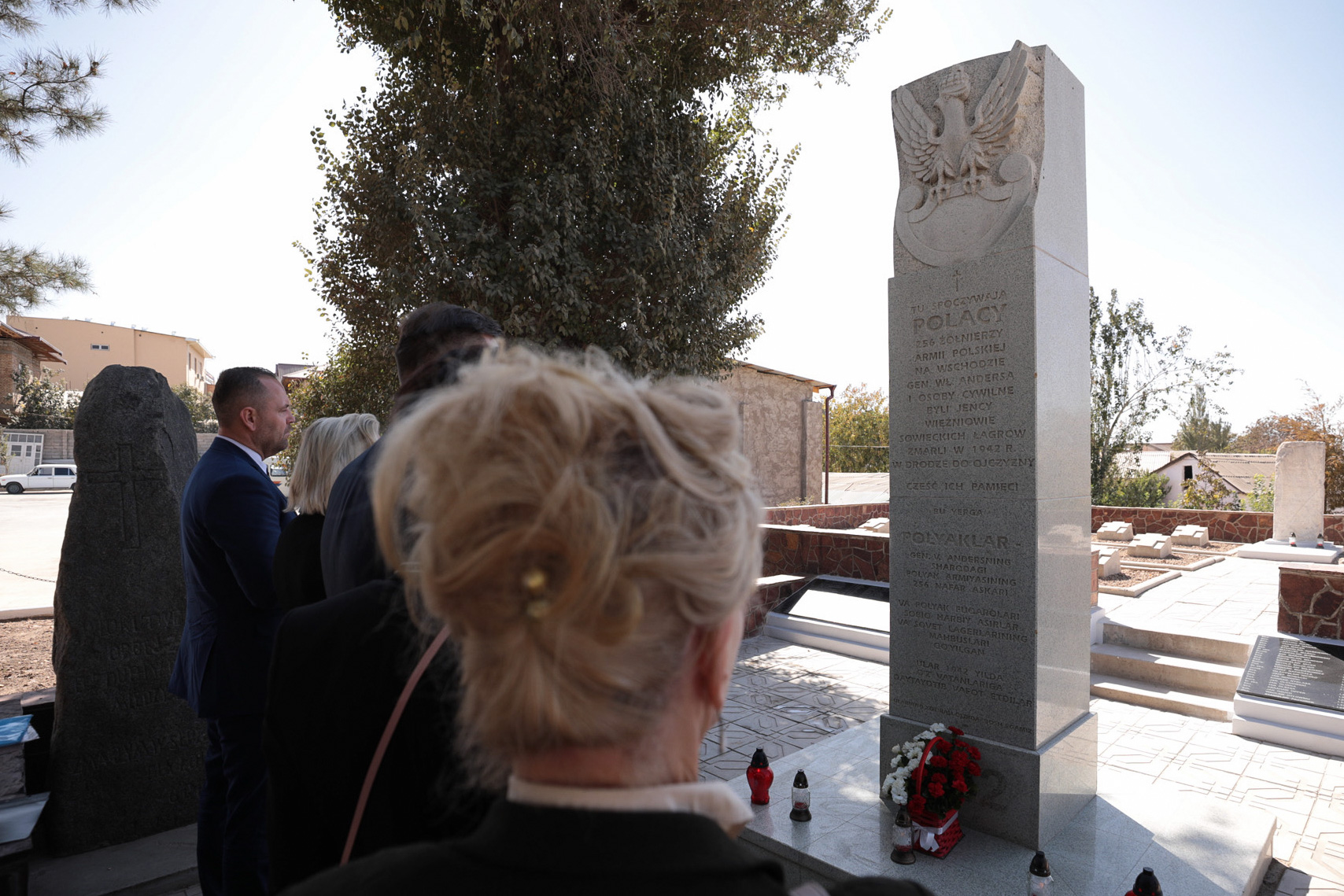
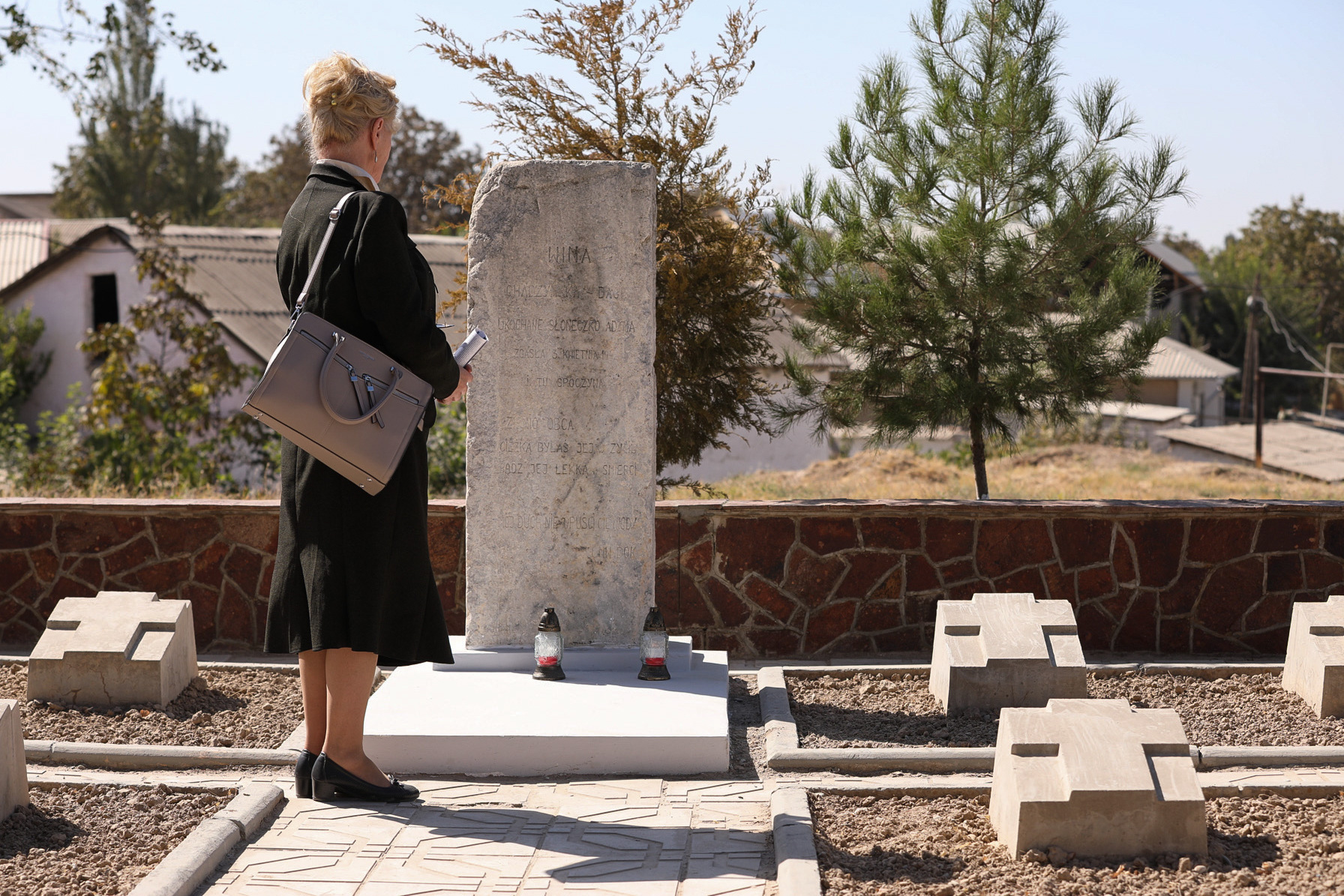
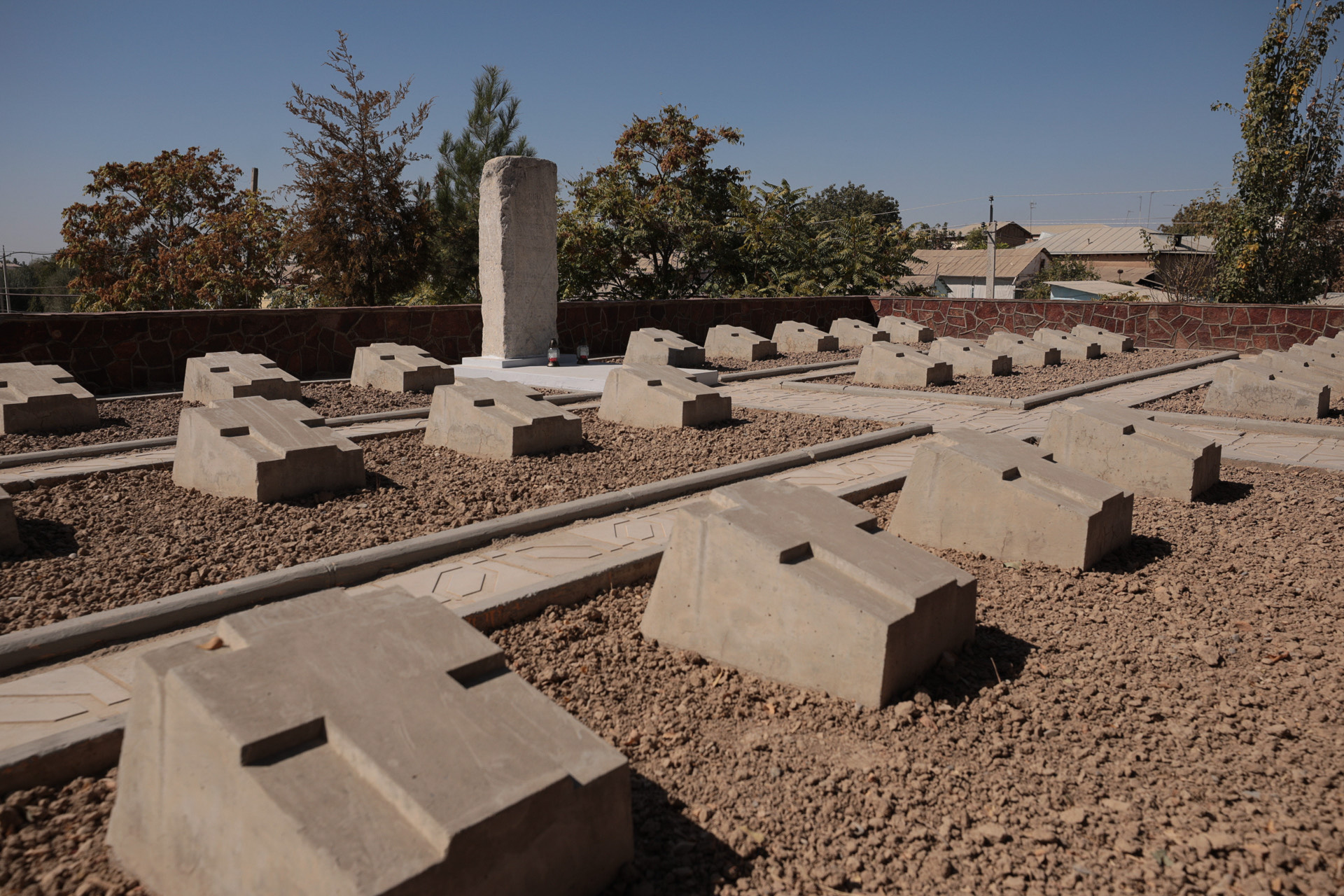
The main trace of Polish activity in the town was the cemetery, where most of the 256 deceased soldiers and the accompanying civilians, who gathered around the army being created, were buried. Deaths occurred as a result of illnesses and exhaustion that accompanied them throughout their period of Soviet “hospitality”. The exact number of those buried in the cemetery is unknown. After the Poles left the town, the original cemetery was quickly destroyed by the communist authorities, who built a school on the site. The current commemoration is symbolic and located close to the actual location of the graves.