Guzar [Gʻuzor] – a town in Uzbekistan’s Kashkadarya vilayet. Shepherds used to camp in the area of the current town; the settlement was once made up of only a few clay houses. An important Uzbek route passes by the village. In 1977, the settlement was granted town status.
Guzar was one of the places where the Anders Army was being formed in 1942. At the end of February 1942, as a result of the relocation of Polish soldiers from Buzuluk, Tatishchev and Tockoye in Russia to Central Asia, which had been agreed with the Soviet authorities, it was decided that the Army Organisation Centre of the Polish Armed Forces in the USSR, commanded by Colonel Leon Koc, would be located in Guzar.
A Women’s Auxiliary Service reserve Centre, a field hospital and the main typhoid quarantine camp were also established in this village. The village of Batosh (formerly Karkin-Batash, translated from Uzbek as “Valley of Death”), located near Guzar, was home to Younger Volunteer Girls’ School and an orphanage for Polish children.
The establishment of the Volunteer Girls’ School in Karkin-Batash was officially approved by an order from the Commander of the Polish Armed Forces in Jangi-Jul on 20 May 1942. The task of the school was to take care of Polish young girls, to help them expand their knowledge and to give them a general and secondary school education.
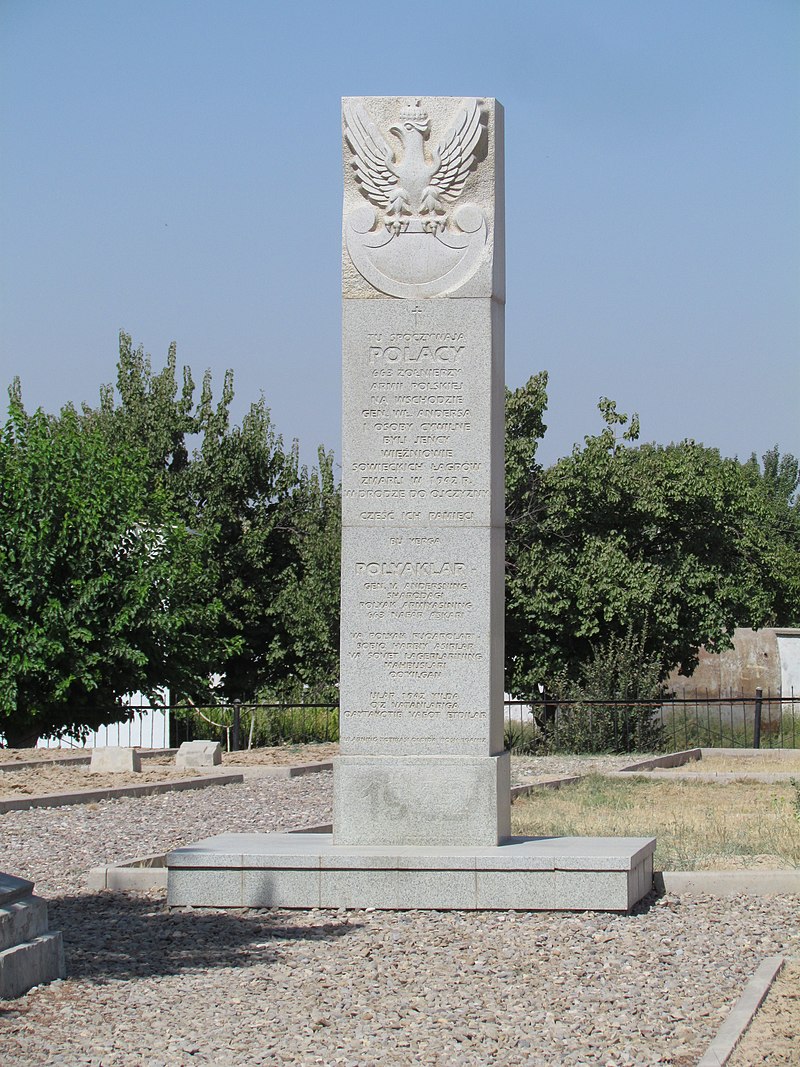
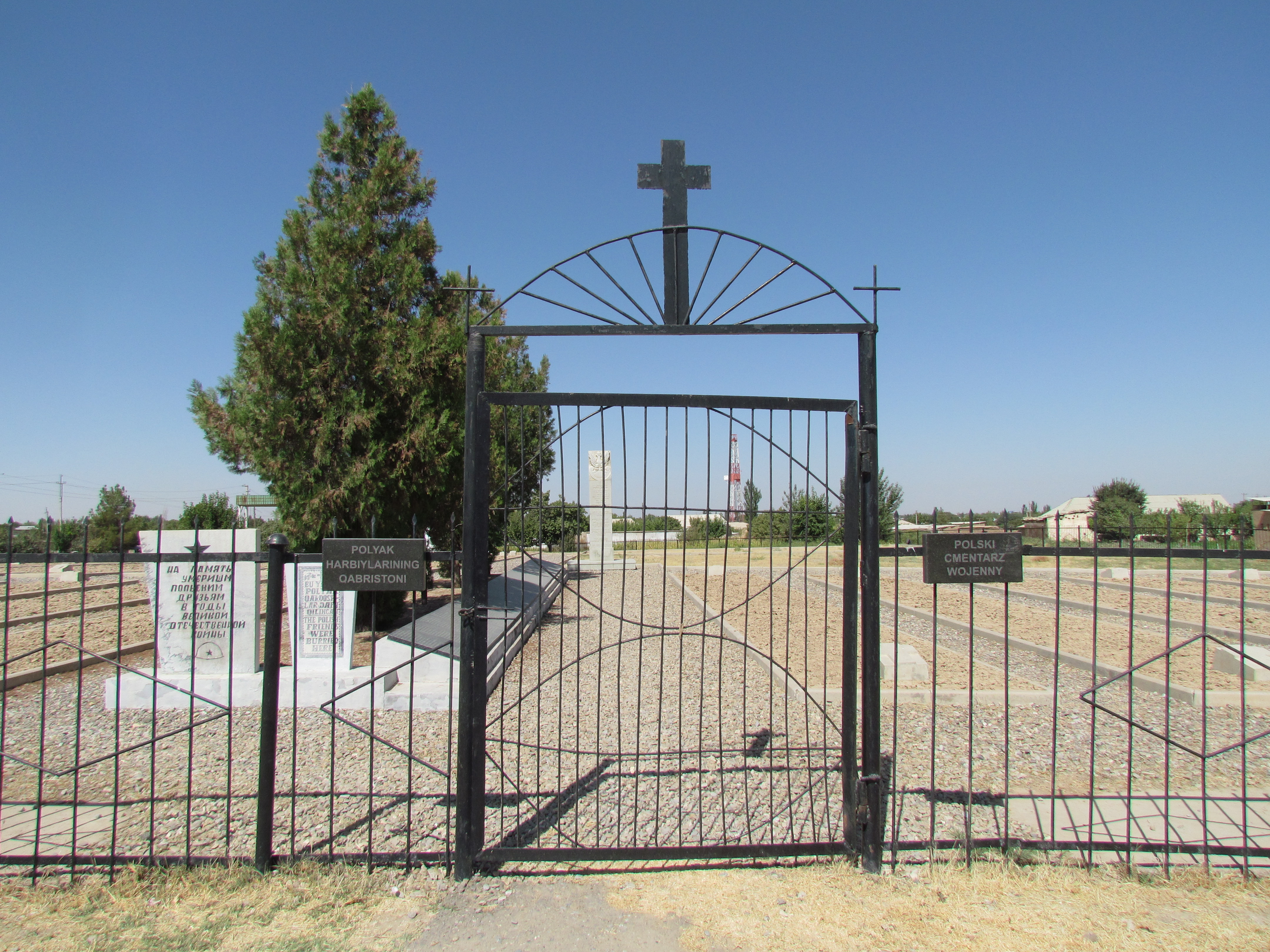
Due to the difficult sanitary and climatic conditions, many Poles contracted various diseases, including typhus, hepatitis, dysentery and malaria. The mortality rate among the sick, especially children, was above ten per cent. The dead were buried in a cemetery located on the road connecting the city to Samarkand and Termez. Children from the Karkin-Batash orphanage were also buried in the cemetery.
Eventually, in August 1942, as a result of the evacuation of the Polish Army to Iran, Guzar was abandoned by the Poles. Despite the hostile attitude of the Soviet authorities, the Polish cemetery has been preserved in good condition. The memory of those buried there survives among the families of Polish soldiers and Uzbeks living in the city. The cemetery area is fenced and cared for by local people. This is the largest Polish necropolis in Uzbekistan and 661 people who died in Guzar and Karkin-Batash are buried here.