Breda is a city in the Netherlands, in the province of North Brabant. It is a very important point on the historical map of the Netherlands, serving as a key fortress and one of the most important economic centres in the Middle Ages and Renaissance.
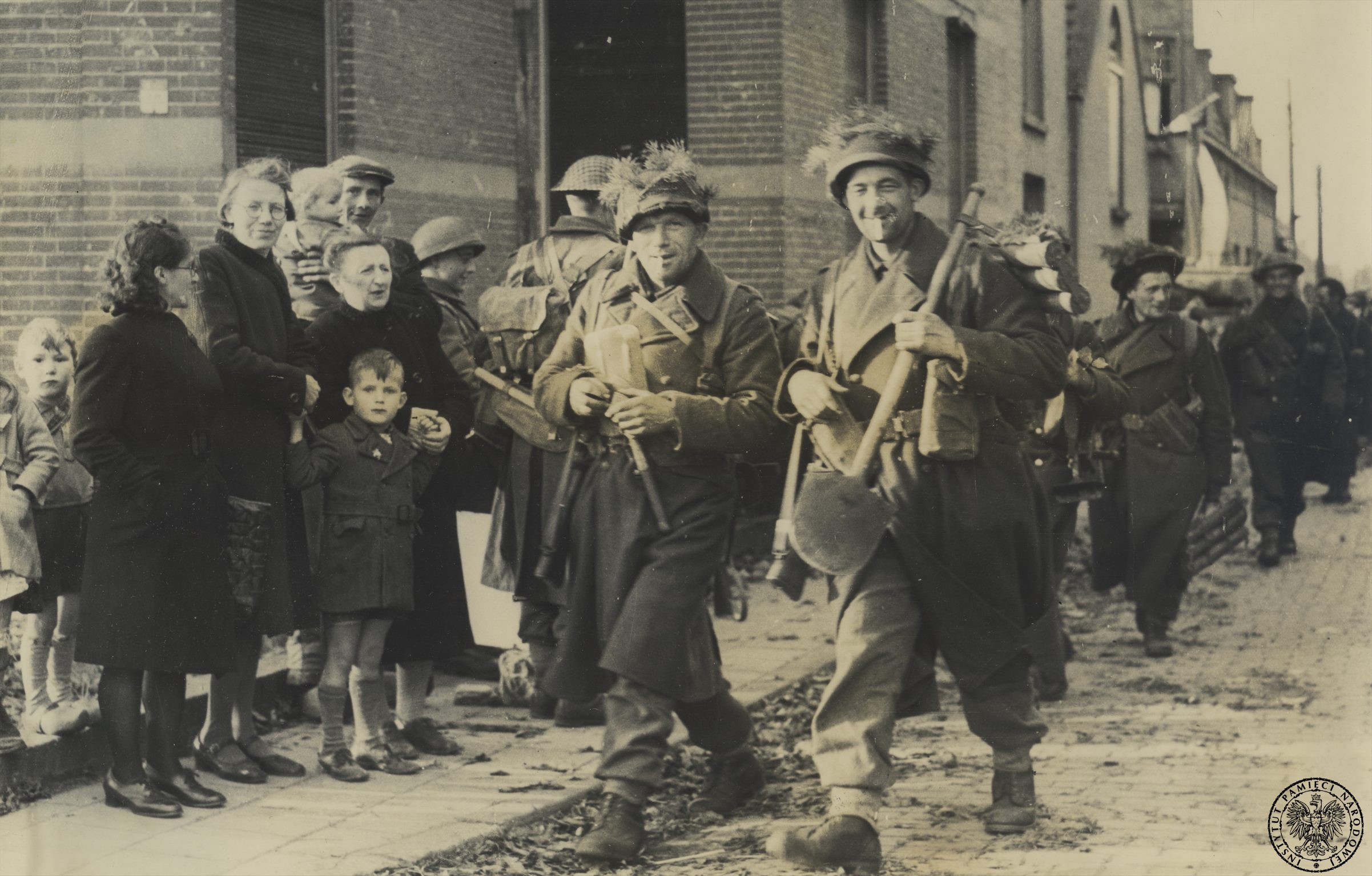
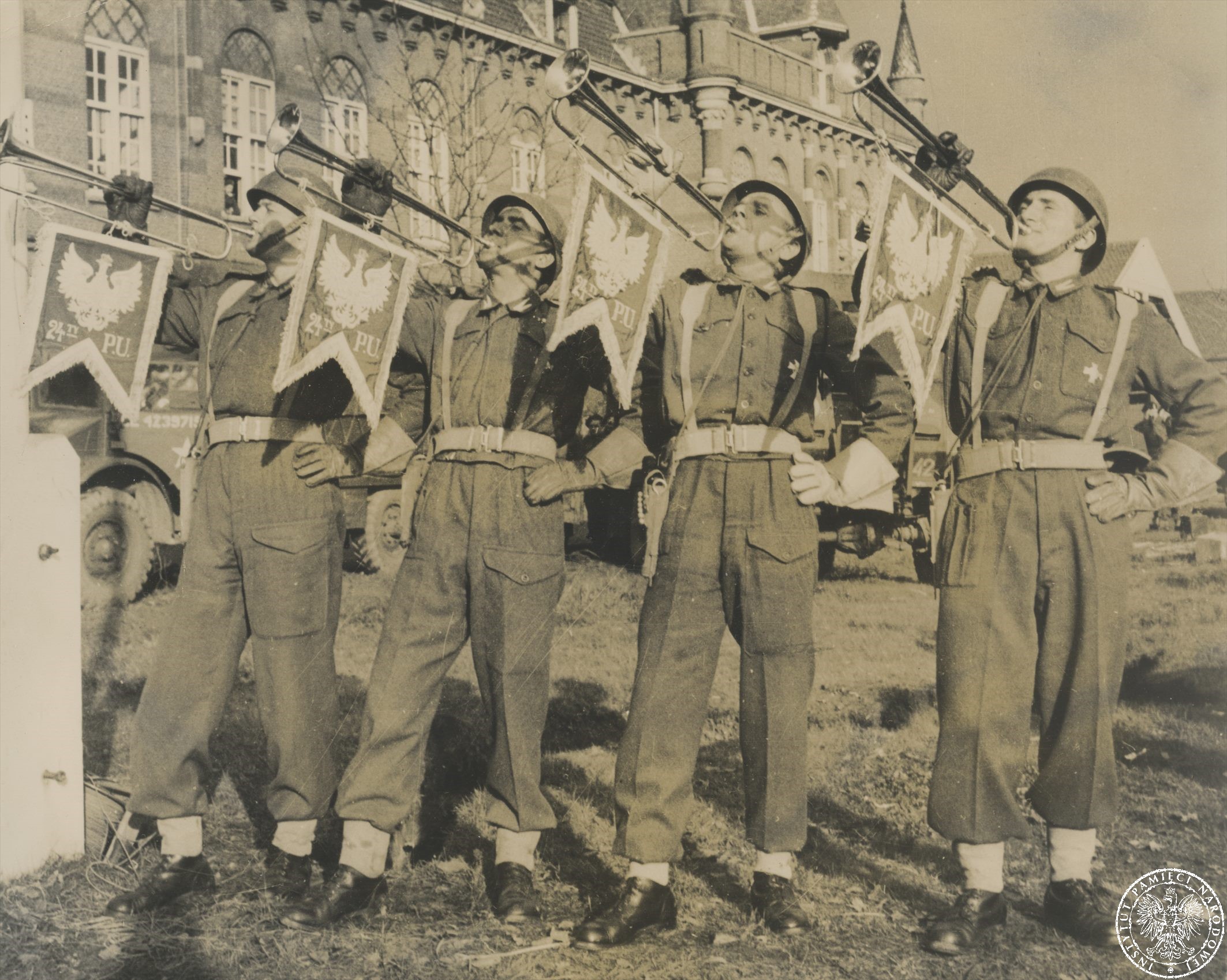
During the Second World War, the Netherlands came under German occupation as a result of the army's surrender on 14 May 1940. Liberation for the whole country came after five years, but for Breda a little earlier than that. It was the Poles who brought freedom to the city.
That was achieved as part of Operation Pheasant by the Allies, the objective of which was to clear most of North Brabant of German forces, reduce the risk to the Allies on this section of the front after the failure of Operation Market Garden, and pierce the military supply route from the port of Antwerp - critical to the success of the further events of the war against Germany in Western Europe.
Breda was an important transport hub, also for the Germans, and the German command planned to defend it to the bitter end. On 27 October 1944, Brig. Gen. Stanisław Maczek, who led the Polish 1st Armoured Division (part of the 1st Canadian Army of 21st Group Army under Gen. Bernard L. Montgomery's command), received an order to capture Breda. In an effort to minimise civilian casualties and to protect valuable buildings in the city, the General abandoned artillery preparation ahead of the attack. He did, however, manage to surprise the Germans with the direction of the strike although that was not enough to make it an easy fight, also hand-to-hand, in urban conditions. Thanks to the 11th "Lubuska" Armoured Cavalry Division perfect manoeuvres, however, the city did not suffer almost any damage, as the Germans - despite assembling massive defence forces consisting of three infantry divisions in Breda and faced with the threat of being completely surrounded - ultimately decided to retreat.
On 29 October 1944, almost all of Breda (the single last points of German resistance were defeated a day later) was already in the hands of Polish soldiers, who gave it back to its rightful owners, the Dutch.
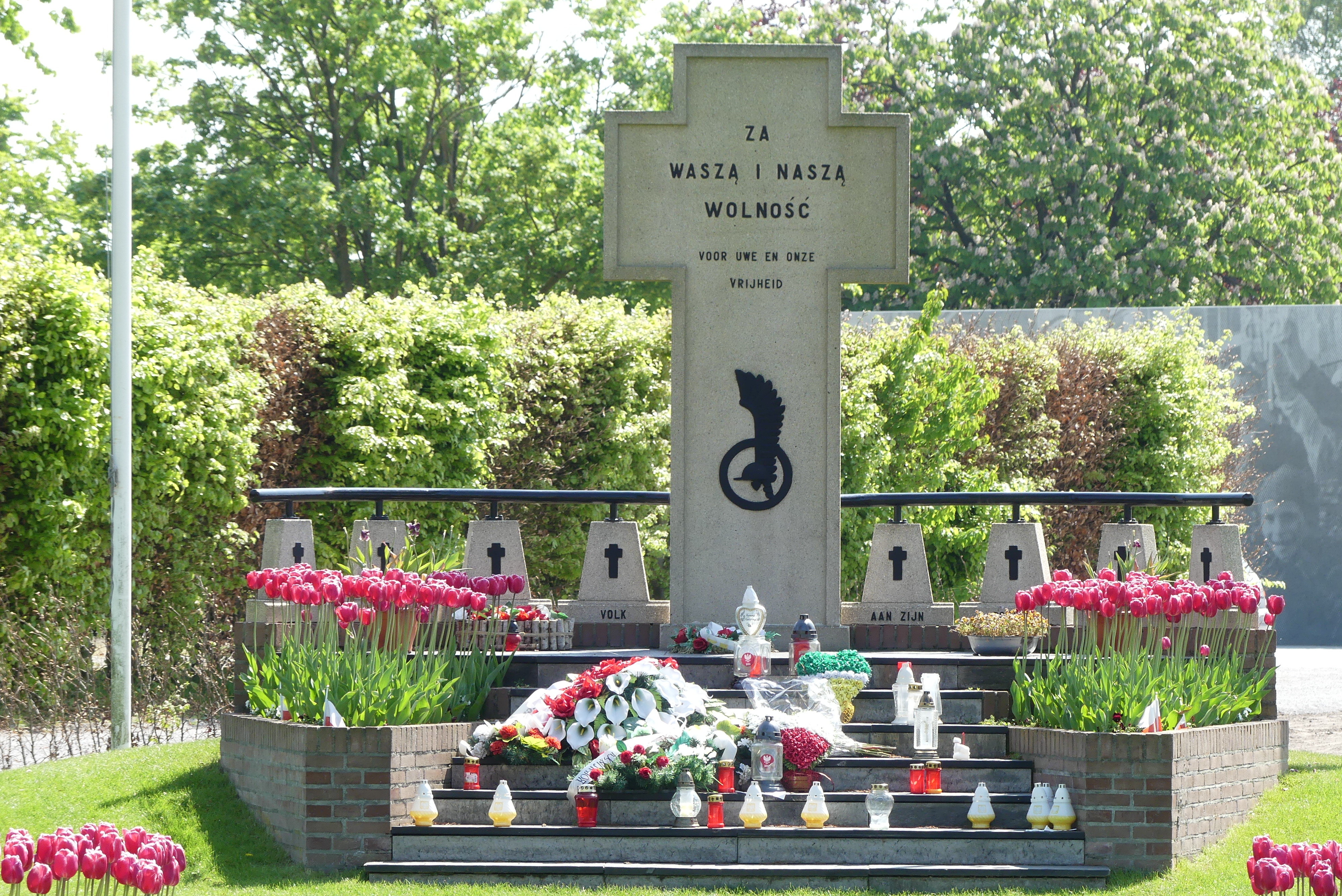
There are a number of sites commemorating the dedication of Poles in the struggle to liberate Breda. The most memorable ones: Maczek Memorial, the Polish Monument at ul. Gen. Maczek, Polish Mary Chapel, the cemetery of Gen. Maczek's soldiers in Oosterhout as well as Polish Military Cemetery in Breda-Ettensebaan, where Gen. Stanisław Maczek is also buried among his soldiers.