Tockoye is a village located on the Samara River, in south-western Russia, in the Orenburg region, where the conventional Europe-Asia boundary runs. Quite unexpectedly, a settlement like many others became part of the history of Polish pilgrimage during World War II when, following the Sikorski-Mayski Agreement, Joseph Stalin agreed to release Poles imprisoned in his empire.
Tockoye was one of the towns where, in September 1941, the formation of units of the Polish Army in the USSR began, which could include Poles detained in prisons and camps in the Soviet Union since the Soviets’ participation in the joint invasion of Poland with the Germans in 1939. Men qualified for recruitment and civilians, filled with hope for salvation, flocked into the centres in southern Russia.
In the first days of September 1941, approx. 15,000 people arrived at the Tockoye camp to join the 6th Infantry Division of Brigadier General Michał Tokarzewski-Karaszewicz and the Army Reserve Centre of Colonel Janusz Gaładyk, who was replaced on 10 October 1941 by Lt. Col. Piotr Kończyc. Tockoye was also home to the Military Draft Office No. 1 and the Square Headquarters.
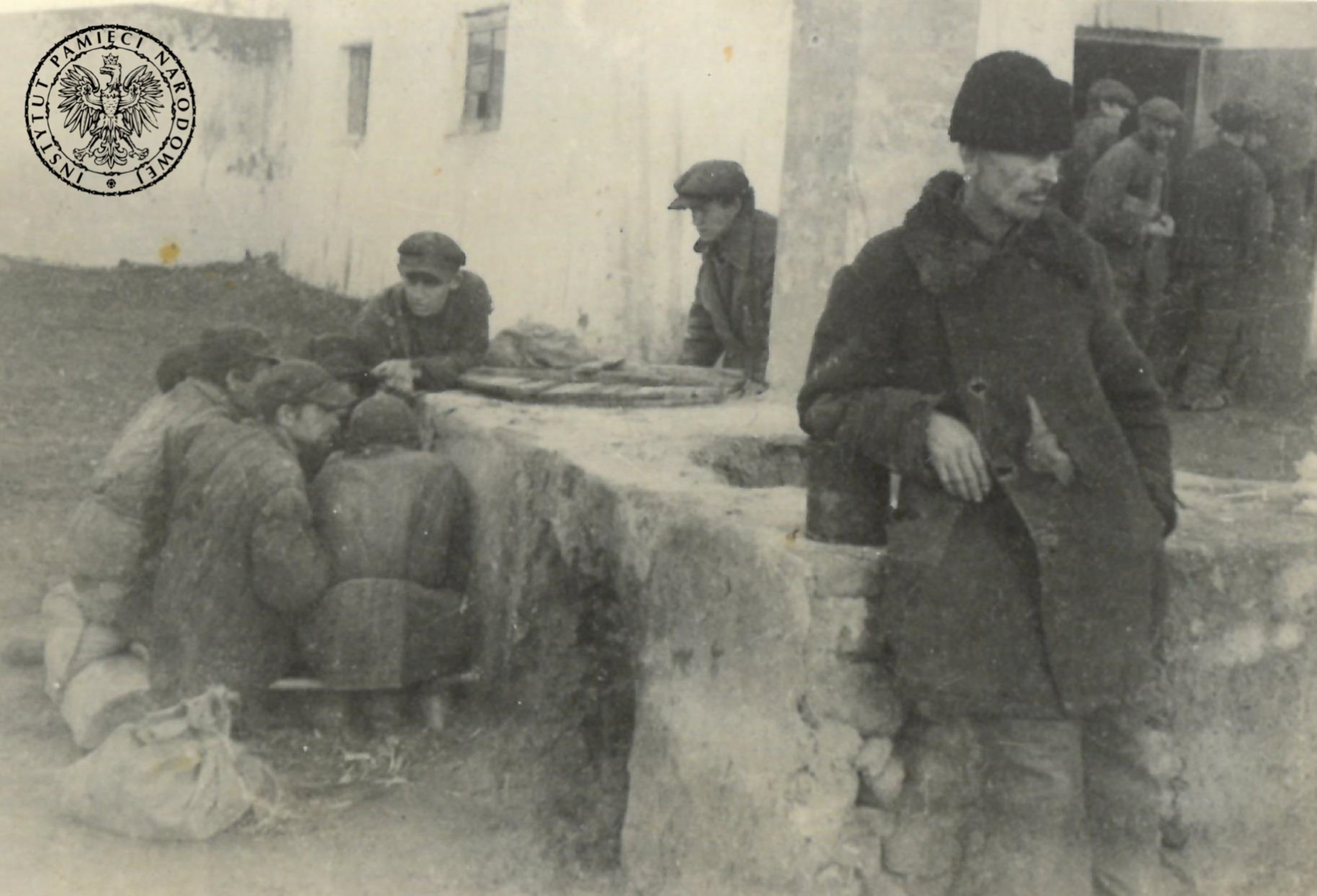
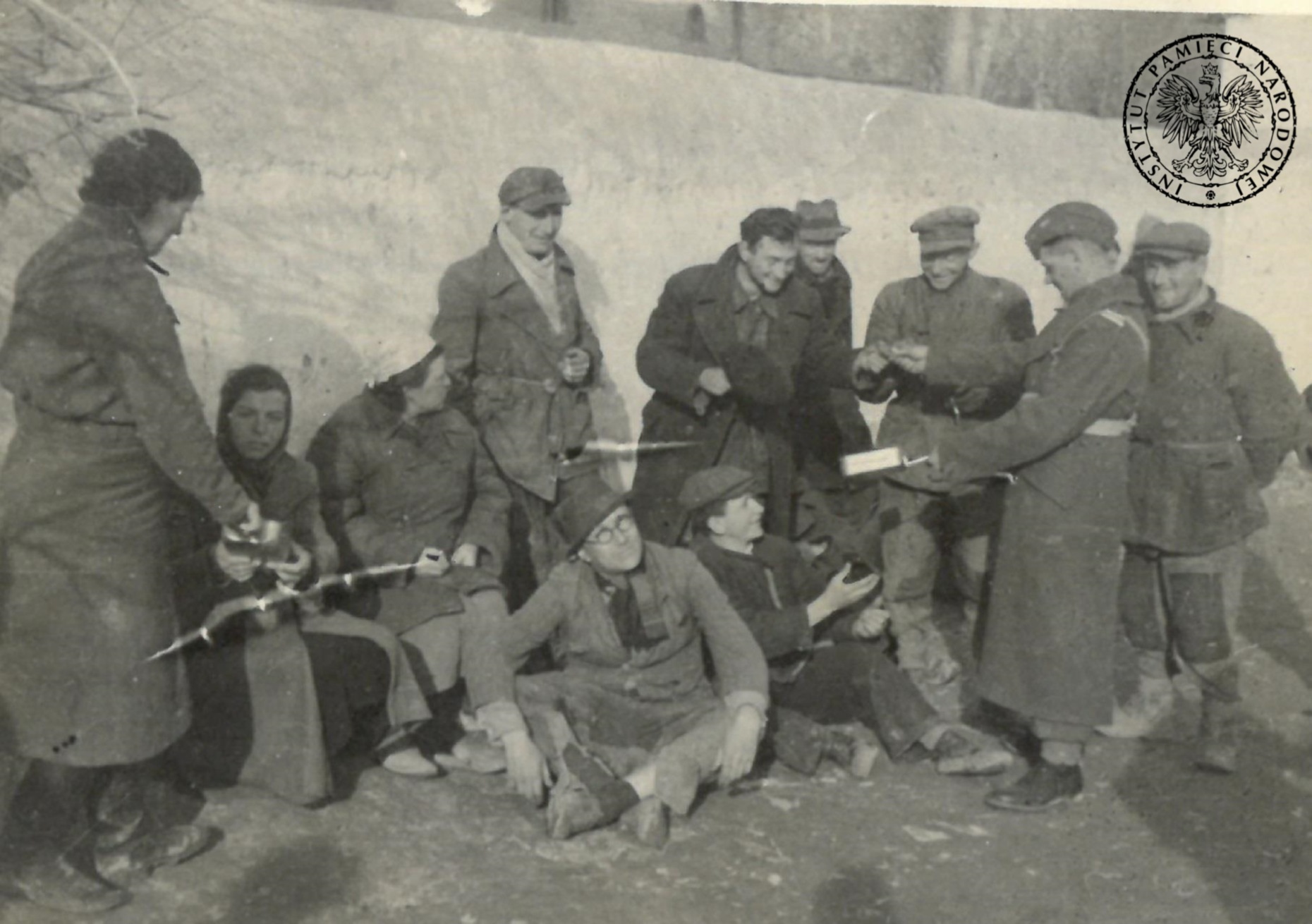
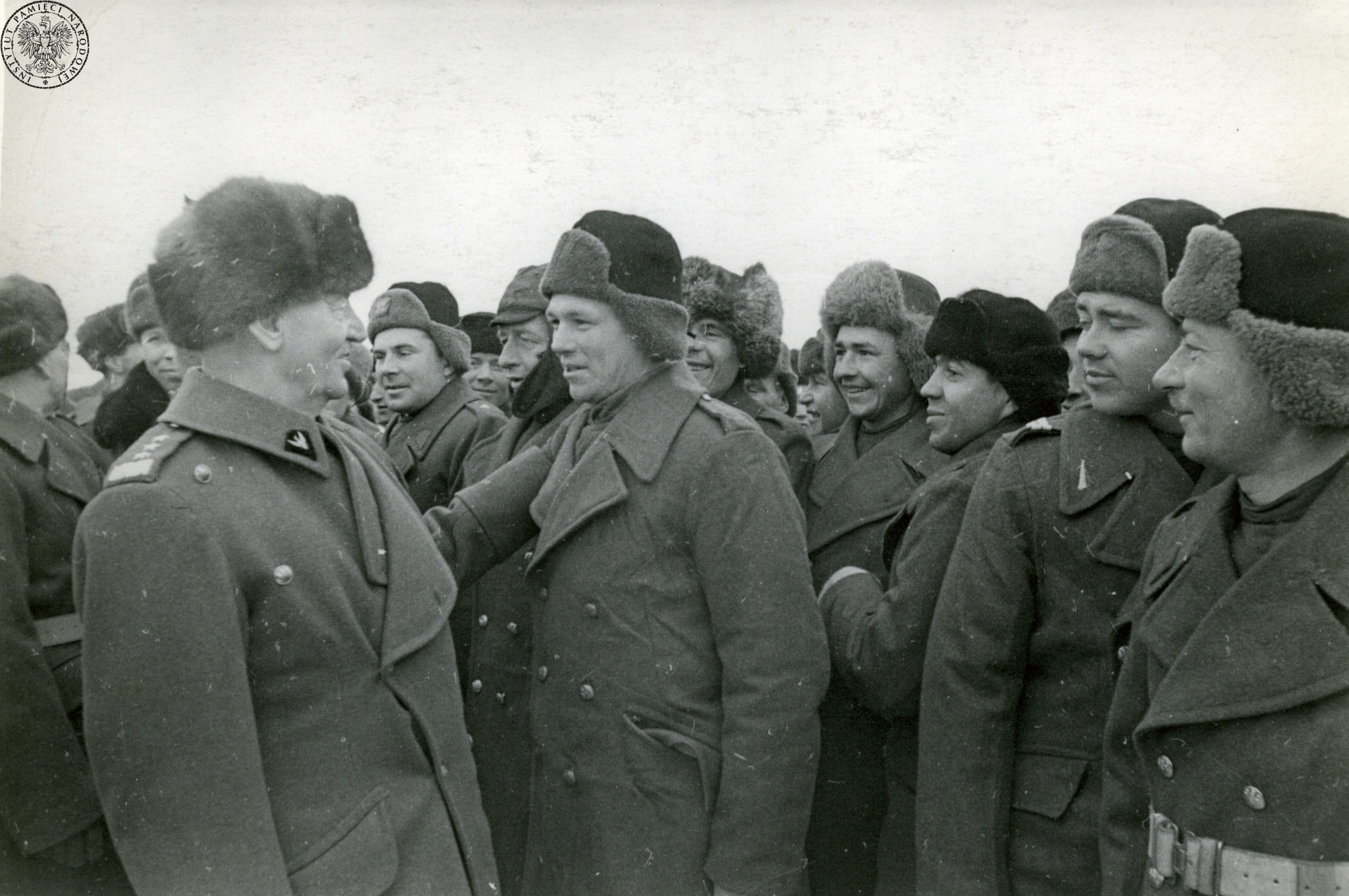
On 14 September 1941, the camp was visited by the Commander of the Polish Armed Forces in the USSR (PSZ), General Władysław Anders, who was able to personally see the disappointing conditions in the place offered to the Poles. There was a shortage of accommodation, food, medicine, clothing, water, cleaning supplies, etc. The Soviet side was playing a game in which it did not fulfil its obligations. People were freezing, malnourished and dying of disease. At the same time, necessary training programmes were being carried out. One of the officers of the PSZ command in the USSR, Lt. Col. Klemens Rudnicki, remembered the soldiers in Tockoye as follows: “I have never seen anything like it in my life. Certainly no army in the world has been formed under similar conditions as the Polish army in the USSR. Amidst the cold, already reaching minus 40 degrees Celsius in November, canvas tents stood in the field and forest, and the army lived and trained in them. [...] [The soldiers] were full of faith and moral strength, seeing - even in the midst of these harsh conditions - the fulfilment of their most fervent desires and personal salvation.”
In the difficult conditions, medics tried to provide relief to the suffering, and religious consolation was provided by the clergy, who were also present as military chaplains, headed by the unit’s parish priest, Senior Corporal Fr. Franciszek Tyczkowski. One of them was also Zdzisław Peszkowski, later known as the chaplain of the “Katyń Families” and those murdered in the East.
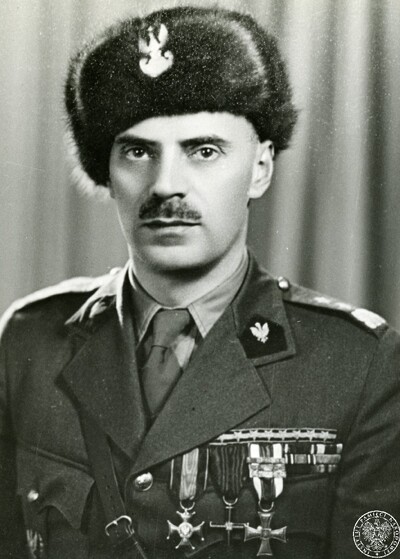
On 12 December 1941, the Commander-in-Chief, Lieutenant General Władysław Sikorski, appeared in Tockoye. The result of his arrival in the USSR was an agreement with the Soviet authorities to move the Polish army to new locations. In late January/early February 1942, soldiers of the 6th Infantry Division were transported to Shahrisabz in the Uzbek Soviet Republic.
* * *
More than a decade later, in September 1954, at the Tockoye military training ground, the Soviet authorities conducted military manoeuvres called “Śnieżok” with nuclear weapons, commanded by the Marshal of the Soviet Union, Georgy Zhukov.
* * *
In 2005, a memorial to Polish soldiers was unveiled in Tockoye-2, located on the site of the closed military training ground, on the site of the former Polish military cemetery (soldiers’ burial place), which was visited by Polish state and military delegations in the following years.