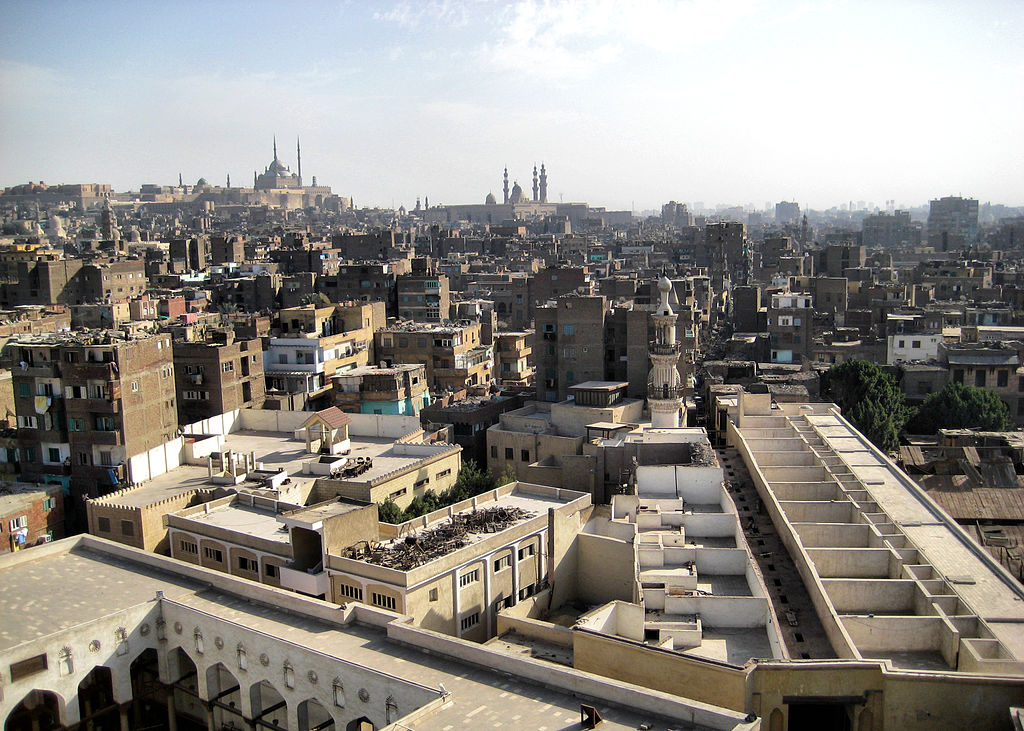
Cairo is the most populous city in Africa and the Middle East, with a population of more than 20 million people. It has been called the “City of a Thousand Minarets” or the “Mother of the World” - not just the Islamic world, of which it is the largest centre, but it is a city that grew on the Nile, the life-giving river of the ancient Egyptians.
The then capital of the Pharaonic state, Memphis lay south of modern-day Cairo. A fort was established on its site by the Romans in 150 BC. Later, a Coptic settlement grew there, where the Arabs subsequently built the first mosque on the African continent. In the 16th century, Cairo fell prey to the Ottoman Empire and was conquered by Napoleon in 1798. Although the French rule ended after three years, more and more Europeans arrived in Cairo. In the 19th century, the development of the city was influenced by the construction of the Suez Canal. Poles also left their mark during its creation, including hydrotechnical engineer and inventor Stanisław Janicki, works manager Mieczysław Geniusz, and clerk Cyprian Kuczewski.
In 1836, Juliusz Słowacki visited the country’s most important city during a trip through Egypt. Among the literary descriptions he created at this time, a fragment of the poem “Pyramids” can be recalled:
I left Cairo today when the sun was rising,
The white mist over Cairo’s palm garden
Hid the golden sun.... and hanged diamond tears
On the palms; the pink edifices
With a misty aurora, a thousand towering rays
Shifting in the secret garden green,
Departed somewhere to the east. My donkey flew swiftly,
until I resisted in old Cairo.
(...)
Back in the 19th century, Henryk Bartsch shared his “Memoirs of a journey to Cairo and Jerusalem in 1861” (1873) with Polish readers, while Jan Rakowski described the “Boulaq Museum in Cairo” (1899). In 1931, Cairo found itself on the trail of Kazimierz Nowak’s great journey across the African continent. At that time, official diplomatic relations between the Kingdom of Egypt and independent Poland, established in 1927, had been in place for several years. In 1932, the Polish diplomatic mission, then headed by Juliusz Dzieduszycki, was visited by Marshal Józef Piłsudski, who was accompanied on the trip, among others, by Mieczysław Lepecki, author of the reportage “Z Marszałkiem Piłsudskim w Egipcie” [With Marshal Piłsudski in Egypt] (1932). Over the following years, a group of Poles residing in Cairo maintained regular contact with the Polish representation. In 1937, they celebrated the 3 May festivities together with the Speaker of the Sejm, Stanisław Czar, and former Prime Minister Walery Sławek.
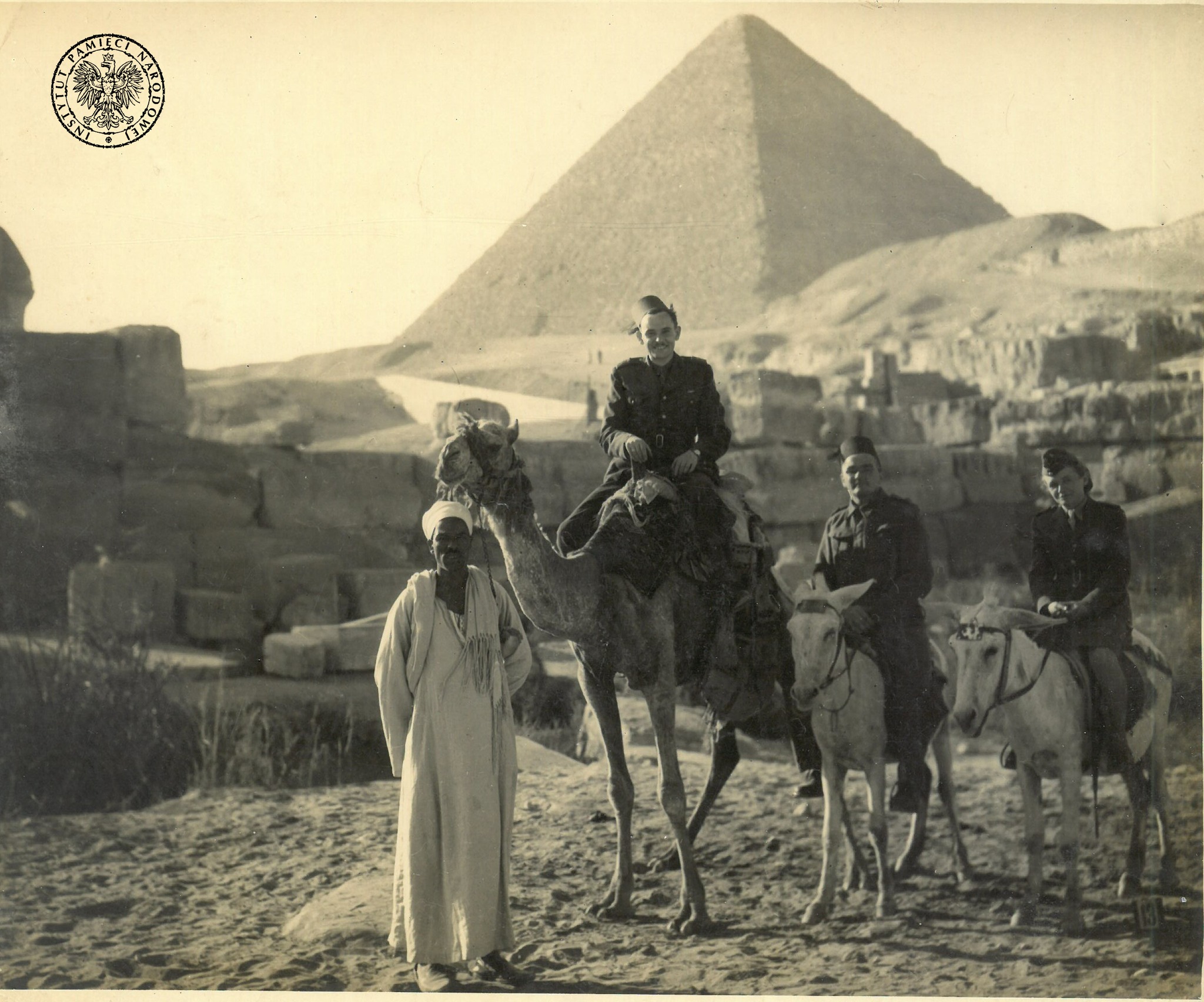
The nature of the Polish presence in the Egyptian capital changed during the Second World War. At the time, the Polish representative in the Kingdom of Egypt was Tadeusz Zażuliński. Meanwhile, on the battlefields, soldiers of the Polish Armed Forces in the West supported British troops in battles against the Germans in North-East Africa. After their expulsion, Cairo served as the most important urban centre in the area where the Allied forces, which included the Polish Army in the East, operated. This operational union of the Polish Armed Forces was formed in September 1942 from the merger of the Polish Army in the Middle East and the Polish Armed Forces in the USSR. While on Egyptian soil, Polish soldiers were waiting for the moment to move on to fight on the European continent. During this time, several important events took place in Cairo, e.g. the visit of Lieutenant General Władysław Sikorski. An important context was the discovery of Katyń graves with the bodies of Polish officers murdered by the Soviets.
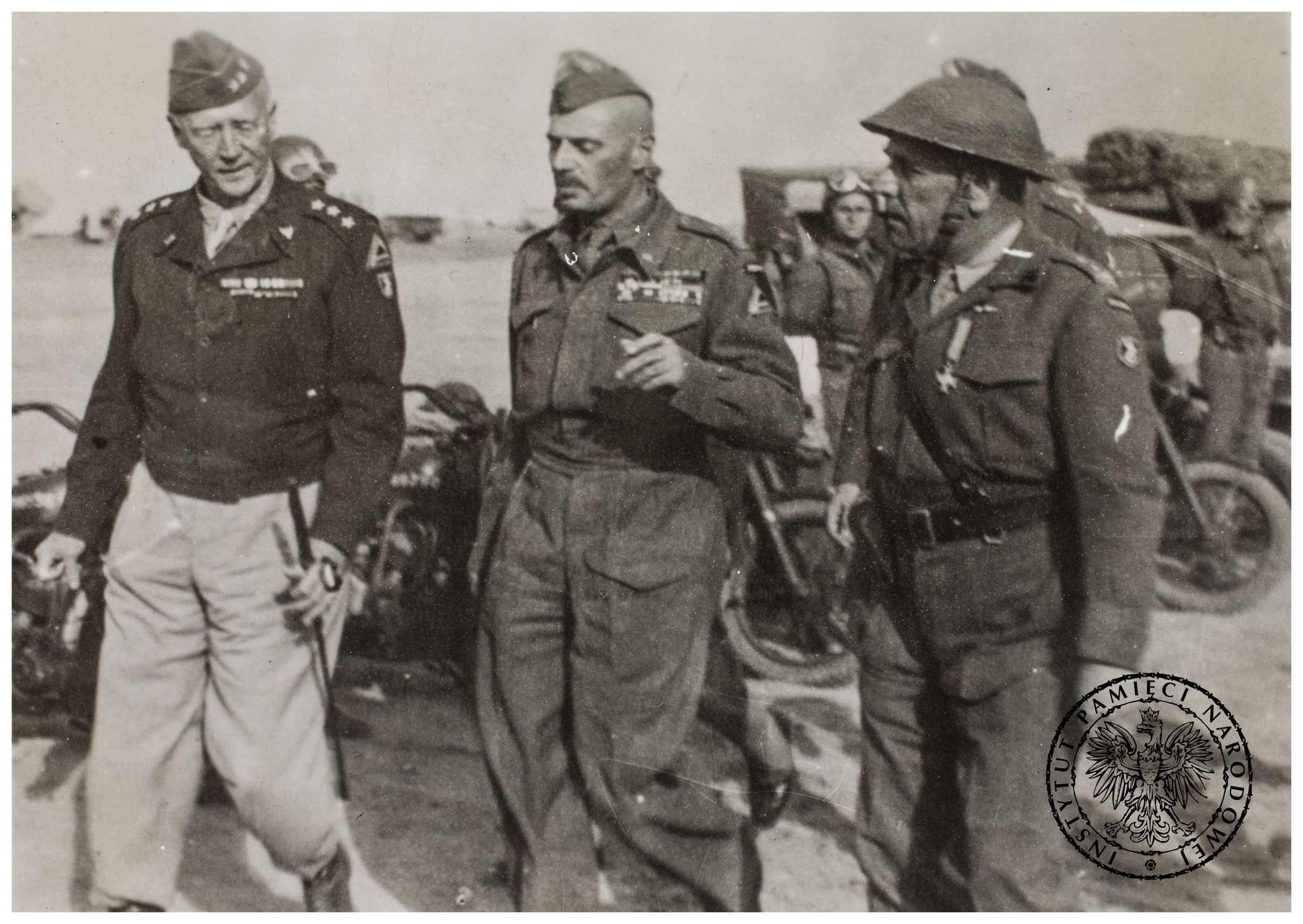
On 28 May 1943, at the Mena House Hotel in Cairo, the Prime Minister and Commander-in-Chief held a conference with the commander of the Polish Army in the East, General Władysław Anders, accompanied by the plenipotentiary of the Government of the Republic of Poland in the Middle East, Tadeusz Romer, and Brig. General Tadeusz Klimecki. One of the last photographs of General Sikorski was also taken in Cairo, captured on camera in the company of General Anders on 2 July 1943, two days before the Gibraltar disaster. On 12 November 1943, General Anders welcomed General Kazimierz Sosnkowski as the new Commander-in-Chief at Cairo airport. While in the Egyptian capital, General Anders also visited the British army command located there.