Jangi-Jul (Uzb. Yangiyoʻl, which means “new road”) is located in Uzbekistan’s Tashkent region. There was originally an ancient settlement called Kaunchi-Tepe on the site of the modern city. The development of the town is linked to the construction of a railway line in the area, and in 1934 the settlement was renamed the town of Jangi-Jul. Today, it is a thriving centre for the food industry and other light industries.
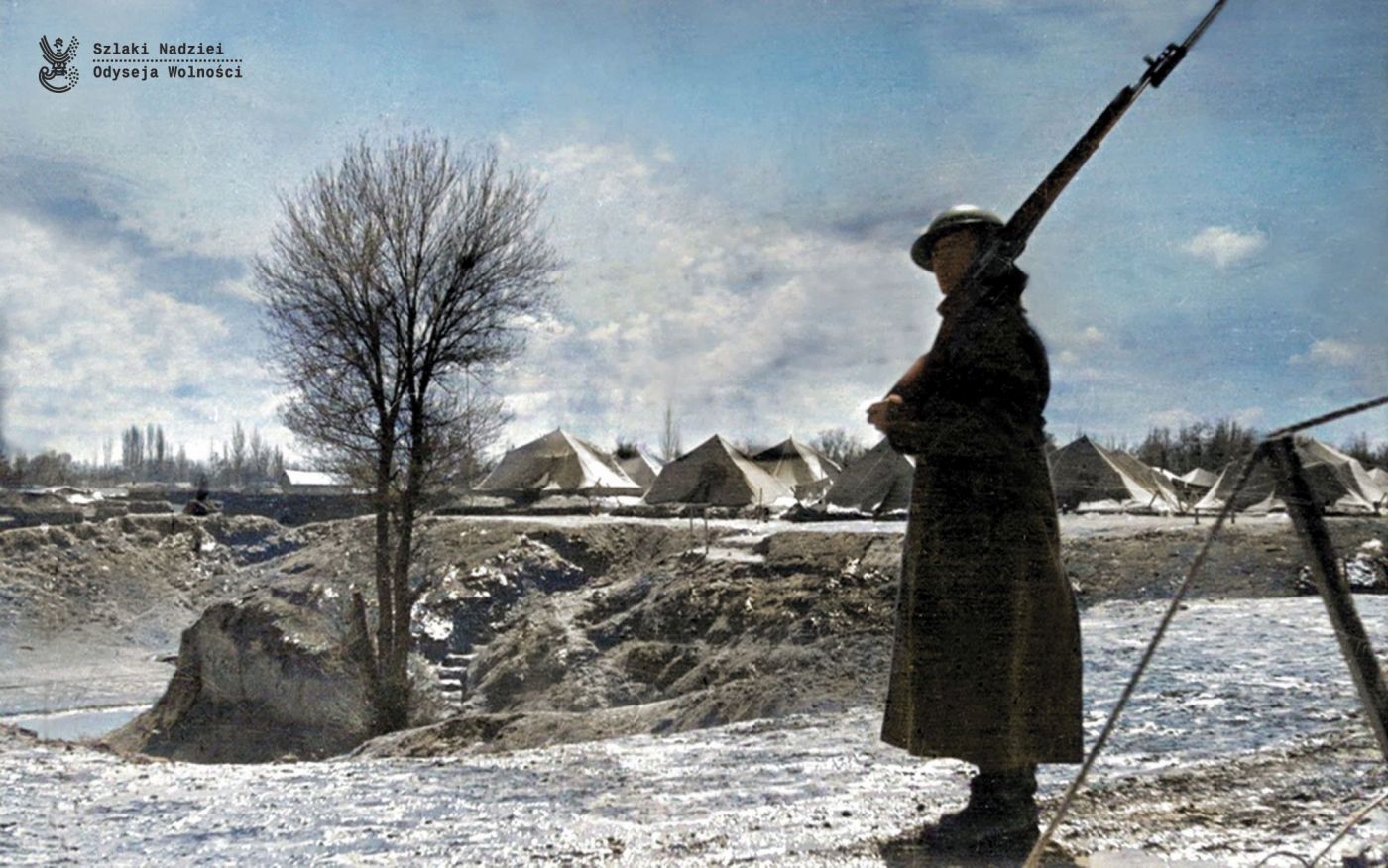
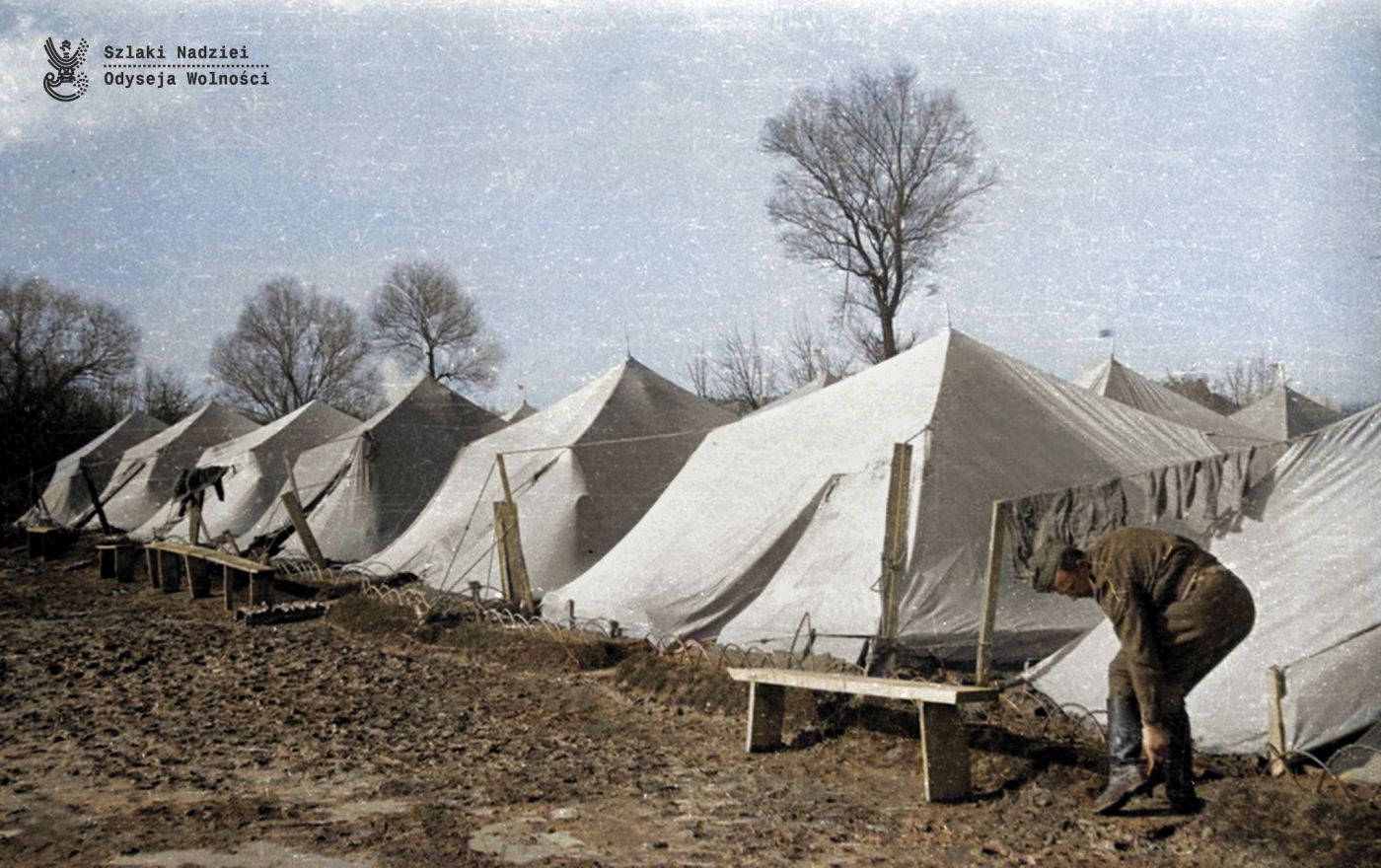
In February 1942, the territory of Uzbekistan became an important place for the formation of the Polish Army under the command of General Władysław Anders. Polish troops were redeployed from the recruitment centres in Buzuluk, Tockoye and Tatishchev to the south of Central Asia. General Anders’ headquarters, the Command and Staff of the Polish Army in the USSR were located in Jangi-Jul, the Army Organisational Centre was placed in Guzar, the Army Training Centre, the School of Junaks, the School of Eaglets, the School of Car Drivers and a shelter for nearly 200 children were located in Olmazor. Soldiers spent most of their time on compulsory exercises, but there was also plenty of time for the reviving social, patriotic and religious life.
In June 1942, Field Bishop Józef Gawlina came to Jangi-Jul for a pastoral visit. It was a very important meeting for the soldiers, as well as civilians accompanying the Polish Army, who were deprived of the opportunity to attend church during their exile in the USSR. During his visit, the bishop visited more than a dozen camps and settlements in Central Asia. He administered the sacrament of Confirmation to approx. 11,000 soldiers and First Communion to approx. 5,000 children. On 27 June 1942, Bishop Gawlina attended a reception to celebrate General Anders’ name day, and the following day he accepted him into the Catholic Church and gave the General his First Communion.
Polish civilians, who were struggling to survive, arrived in large numbers at the places where military units were established. Lack of food, infectious diseases and harsh sanitary conditions ravaged people’s bodies and caused numerous deaths.
In April 1942, General Władysław Anders’ Army began its evacuation from the inhuman land and the Polish camps in Jangi-Jul were deserted. The first leg of the journey was by rail to the port of Krasnovodsk on the Caspian Sea, then the refugees reached the Iranian port of Pahlavi by ship.
Due to the high mortality rate among soldiers and civilians, a Polish cemetery was established in Jangi-Jul. After the war, it was closed down, and today a memorial to the Polish dead stands there. It was restored in 2001 through the efforts of the Council for the Protection of Struggle and Martyrdom Sites.