A town in Italy (Campania region), the main centre and capital of the province of Caserta. The origins of the settlement date back to antiquity. In the Roman period under the name Casa Irta.
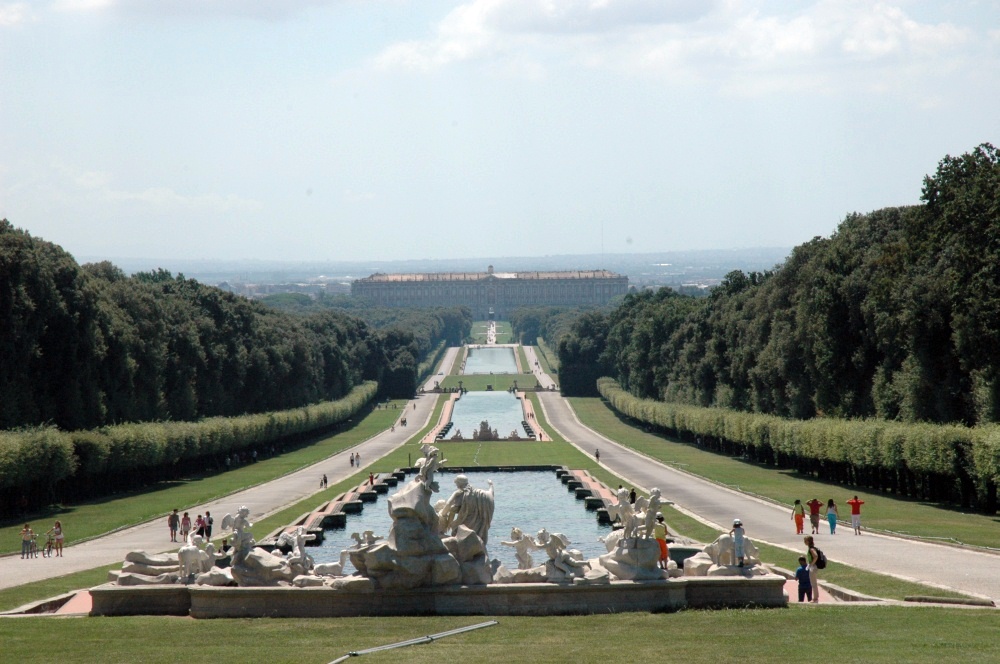
In the Middle Ages, the village started to become an important centre in the region, due to the establishment of a bishopric in the 12th century. The county of Caserta was, until the turn of the 17th and 18th century, ruled by the Acquaviva family, who, due to their considerable debts, were forced to sell their lands to the ruling Bourbons of Naples. The royal family chose Caserta for the construction of their new palace which was started in 1752 by court architect Luigi Vanvitelli upon the orders of King Charles III. The work continued for three decades and resulted in one of the most magnificent monarchical residences in Europe (known as the Italian Versailles), which is now - along with its large and unique garden - a UNESCO World Heritage Site.
Since the Allied invasion of the Italian peninsula in 1943, the Royal Palace of Caserta served as the headquarters of the Allied Forces Command and the residence of the Supreme Commander of the Allied Forces in the Mediterranean (Maitland Wilson, then Harold Alexander). In April 1945, the palace was the site of the signing of the unconditional surrender of German troops in Italy. The same complex was the site of the first war crimes trial in 1945 (e.g. the German General Anton Dostler was sentenced to death and executed in nearby Aversa).
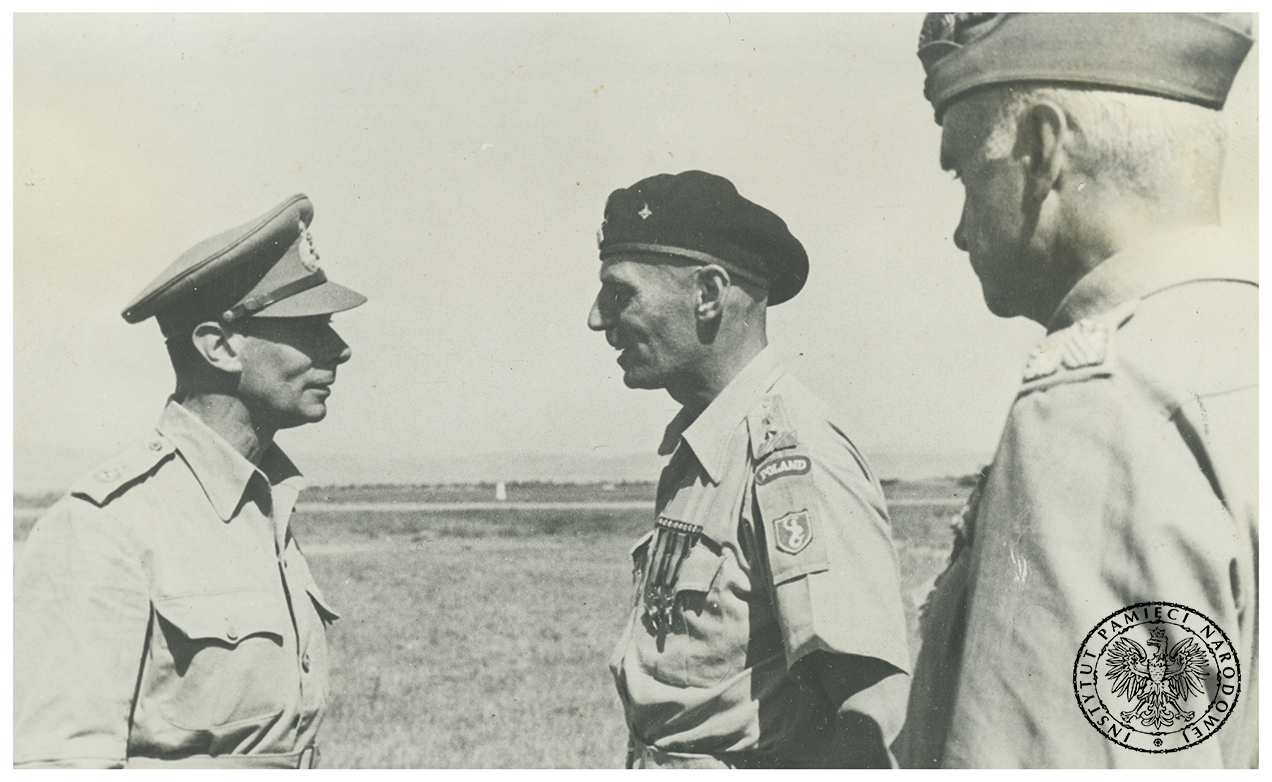
The headquarters of the Allied Command was also the place where important decisions regarding the use of Polish soldiers from the 2nd Corps, but also decisions of even wider significance were made.
On 21 and 23 March 1944, at meetings in Caserta, it was decided that the fourth Battle of Monte Cassino would begin on 11 May 1944, and that one of the main roles in the struggle was to be played by Polish forces.
On 3 August 1944, in Caserta, the Commander-in-Chief of the Polish Armed Forces, General Kazimierz Sosnkowski, together with General Maitland Wilson, attended a meeting during which a proposal was probed from the British side to redeploy the 2nd Corps (but without heavy equipment) to Poland. This was a reference to Churchill’s idea, announced earlier in the House of Commons, of merging Polish troops from the West with Berling’s army. To this proposal, General Sosnkowski replied to General Wilson that Polish soldiers would - at best - be disarmed and exiled to Siberia after first contact with the Soviets.
Here, throughout the war effort, the commander of the 2nd Polish Corps, General Władysław Anders, held briefings and meetings with the most important Allied commanders.
A year after the war, in June 1946, General Władysław Anders, despite unfavourable international political circumstances, made what was probably his last (and, in retrospect, hopeless) attempt in Caserta to persuade representatives of the Allied Command in Italy to further exploit the military potential of the Polish soldiers under his command. Of course, with no success.
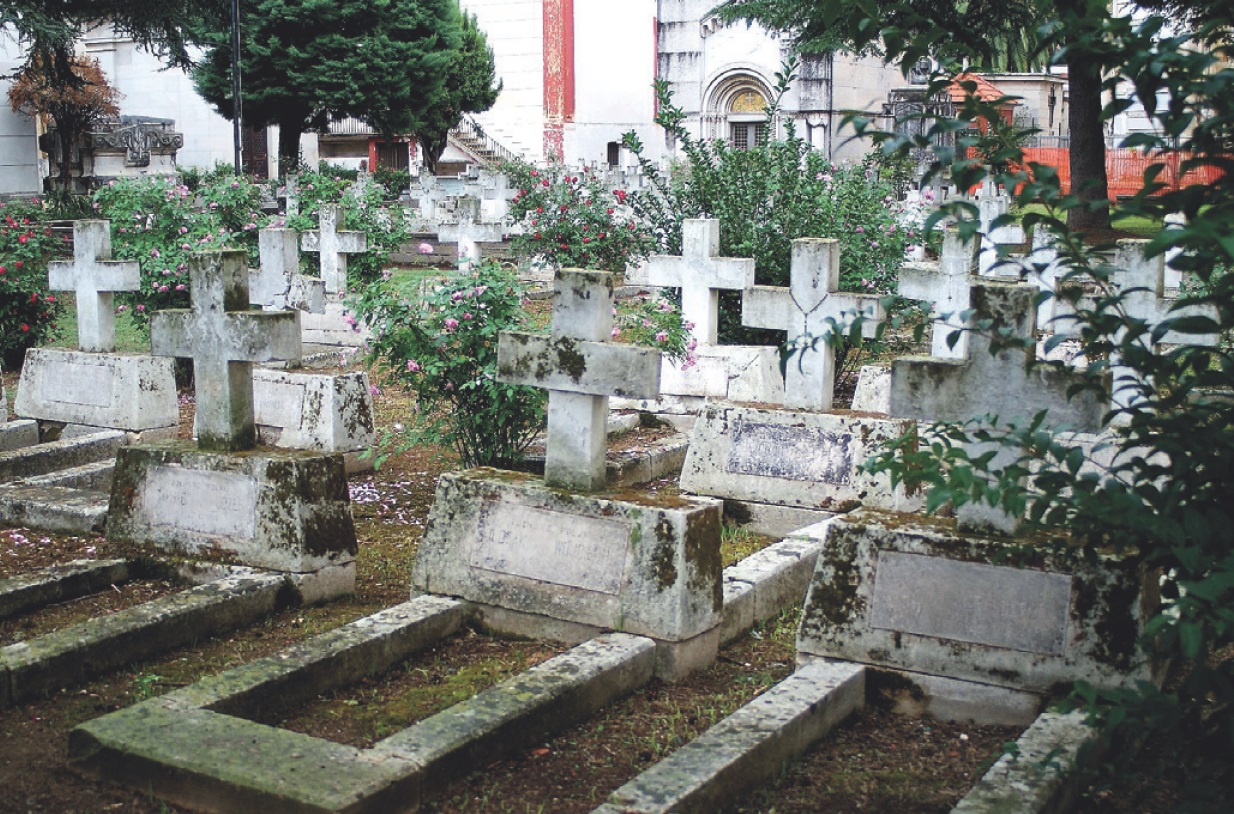
It is worth mentioning that in the nearby cemetery in Santa Maria Capua Vetere, there is a section with the graves of Polish soldiers from World War I (prisoners of war from the Austro-Hungarian army, who were planned to join the Polish Army of General Józef Haller, which was being formed in France).