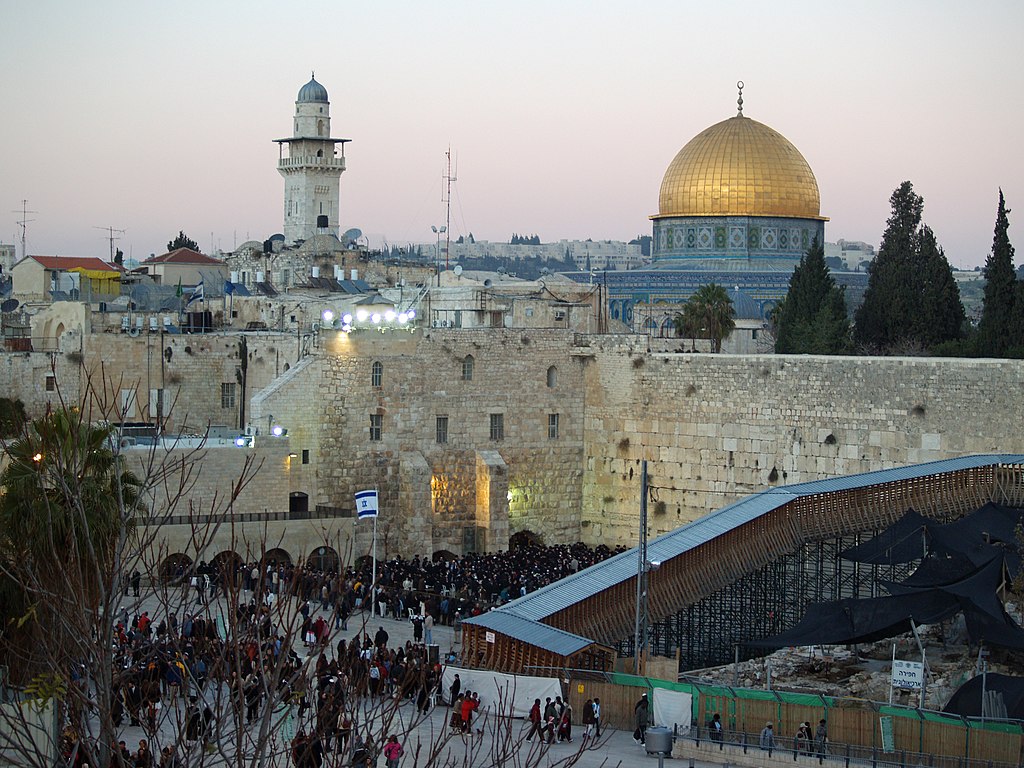
Israel’s largest city, the administrative capital of the Jerusalem District, and the capital of the State of Israel. Jerusalem is the holy city of three religions: Judaism, Christianity, and Islam. During the Second World War, Jerusalem became a refuge for thousands of Poles.
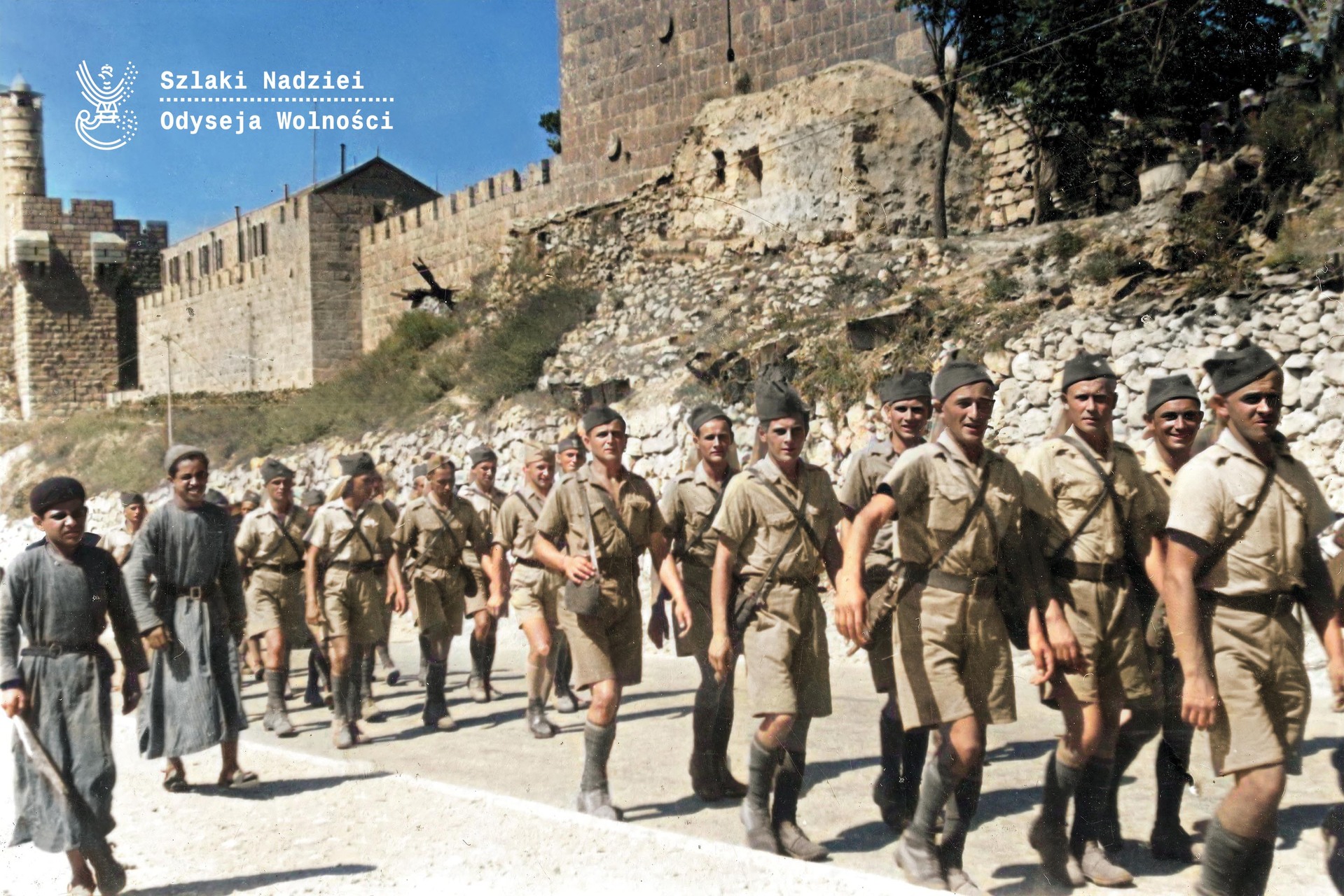
The Land of Israel played a special role in the history of the 2nd Polish Corps, which was regrouped in the second half of 1943 to the then British Mandate of Palestine.
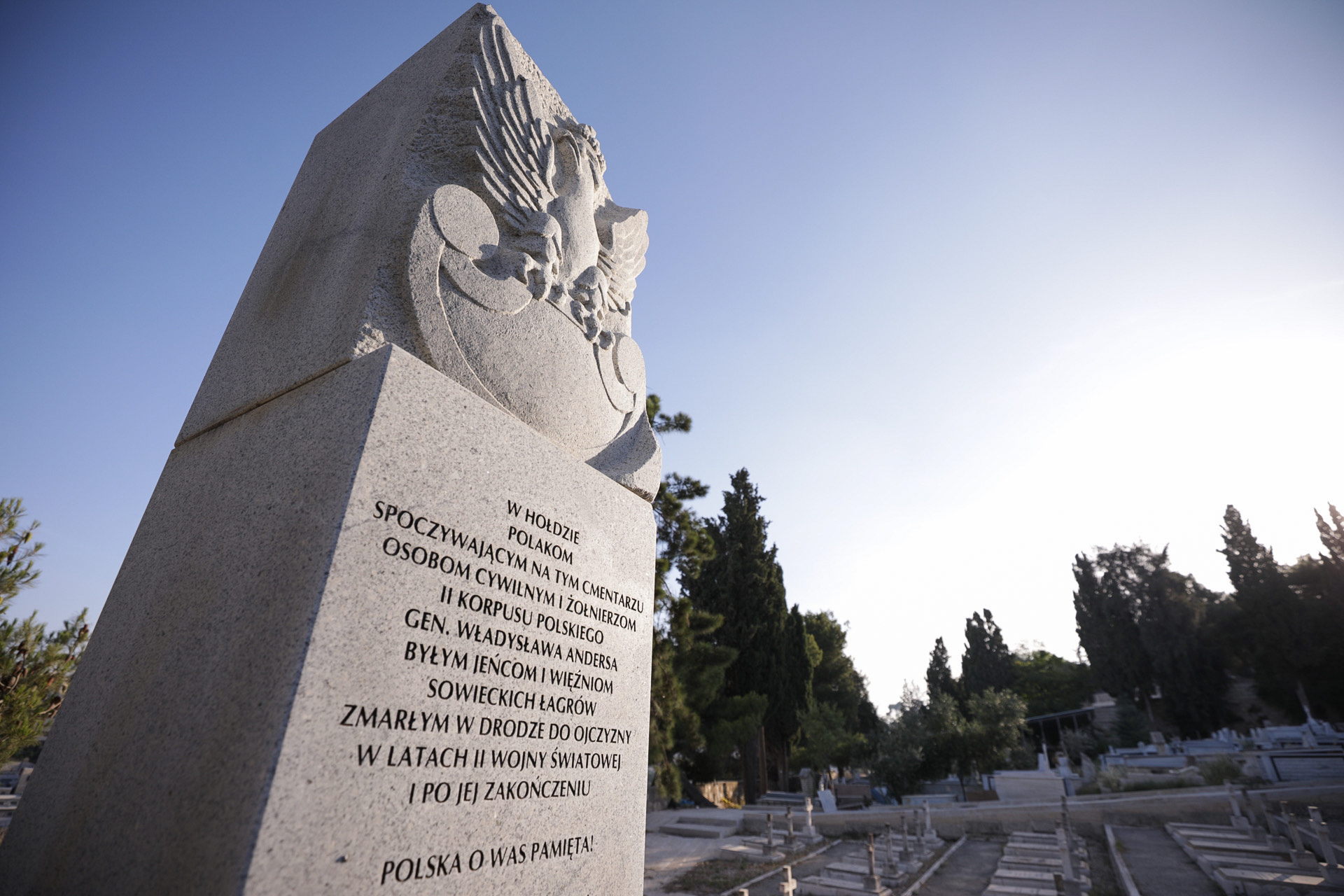
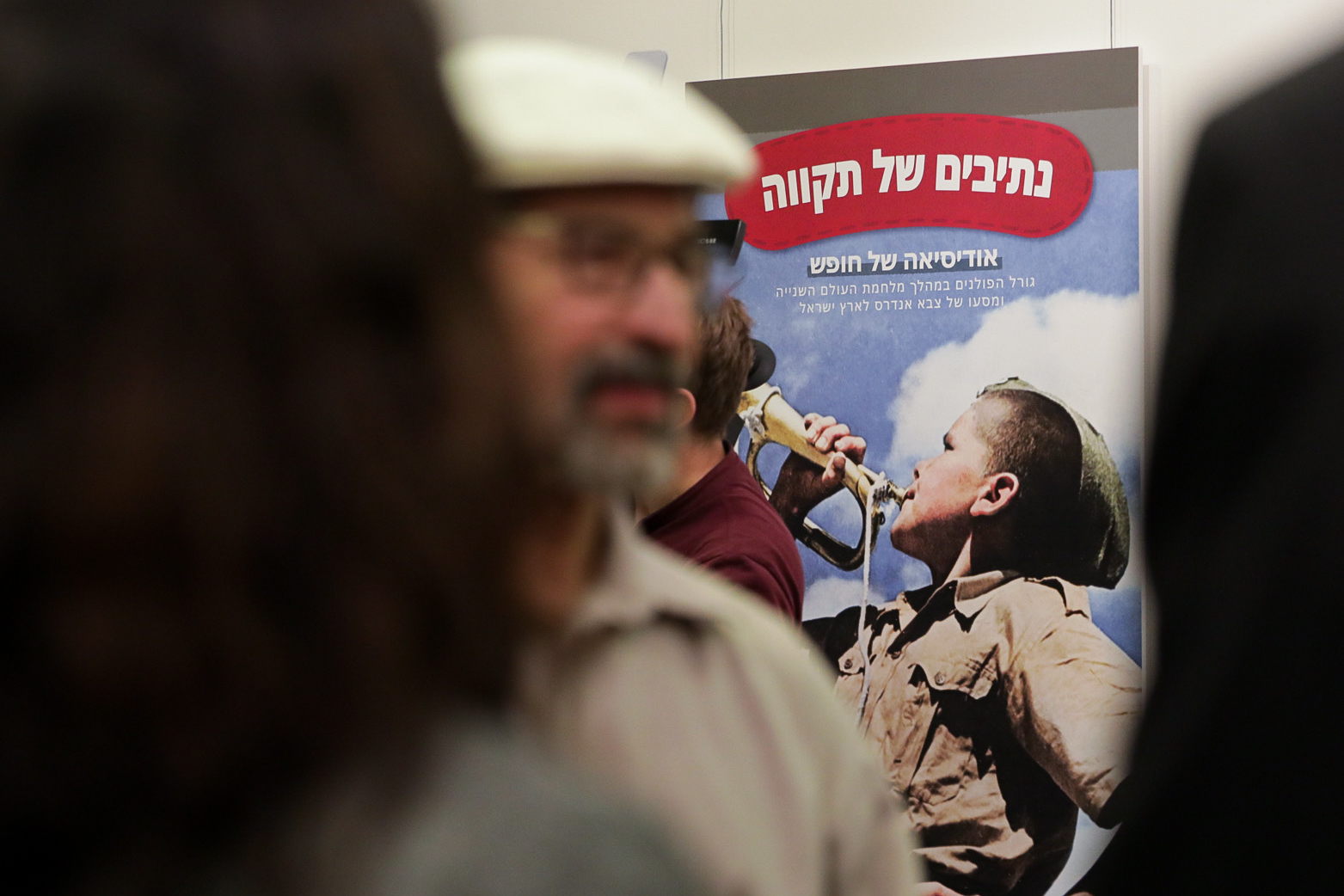
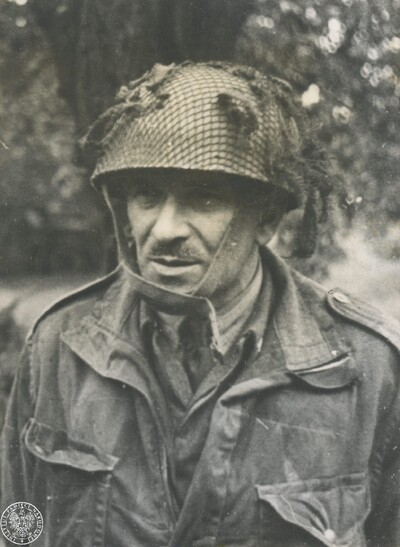
In 1942, several thousand Jews - Polish Army soldiers and civilians - evacuated to Iran with the Anders Army. The latter group was dominated by women and children. When in 1943 they arrived from Iran in what was then the British Mandate of Palestine, after the hardships of Soviet captivity, they were healing their damaged health and preparing for further combat. Cultural life flourished, Polish centres and schools were established. Polish military units were formed in these lands that became the nucleus of the 2nd Polish Corps, which later fought on the Italian peninsula. Polish civilians were evacuated from these areas after the end of the Second World War, mainly to the United Kingdom.
About three thousand Anders Army soldiers of Jewish nationality decided to stay in Palestine and fight for the creation of the state of Israel. One of them was Menachem Begin, later Prime Minister of Israel, a law graduate of the University of Warsaw, a former NKVD prisoner, exiled to slave labour in the Gulag. He later described his tragic experiences on inhuman land in his memoirs “The Time of White Nights”. Together with the Anders Army, he got out of the Soviet Union and found himself in the ranks of the Polish army in Palestine. He decided to stay and fight for the new state.
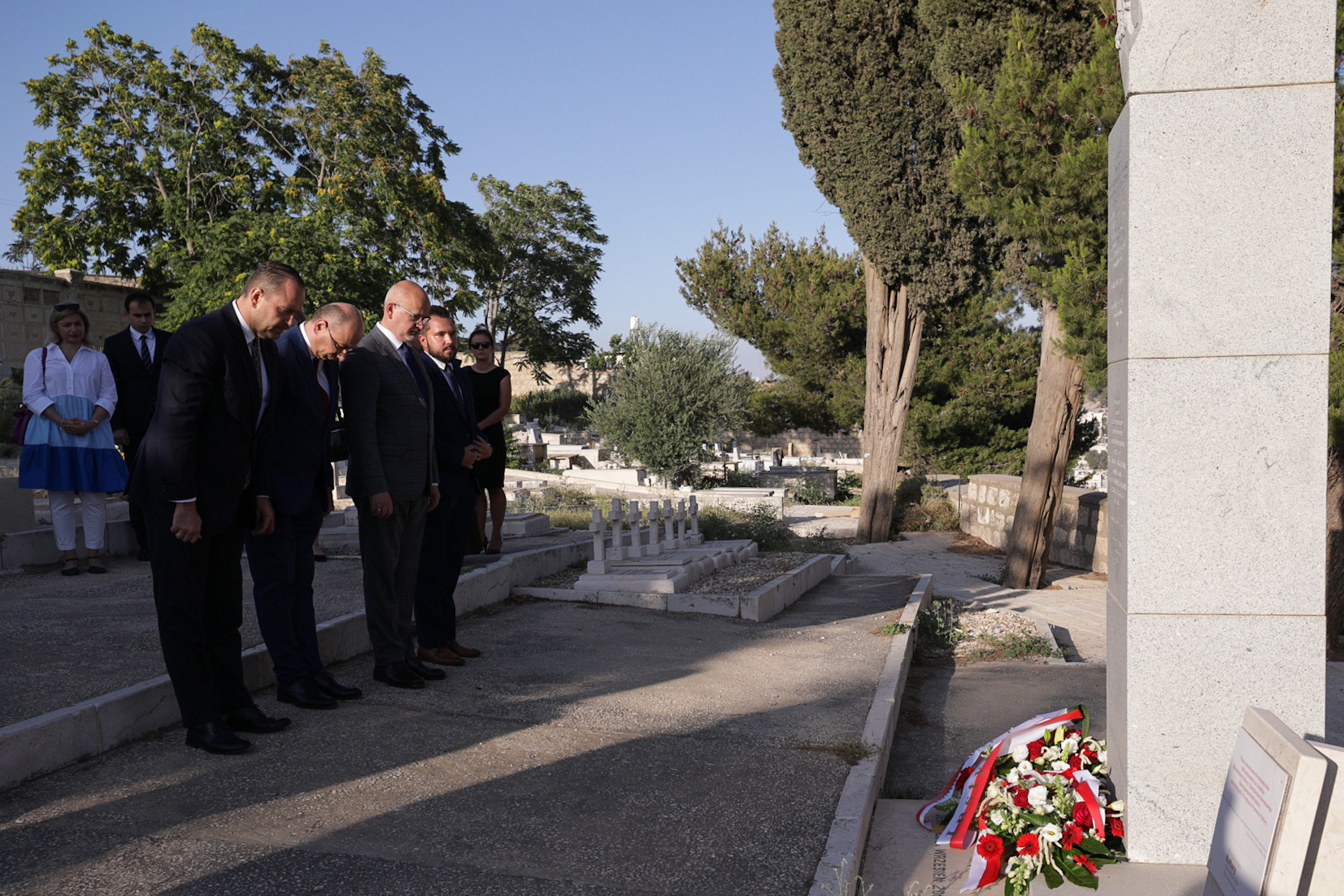
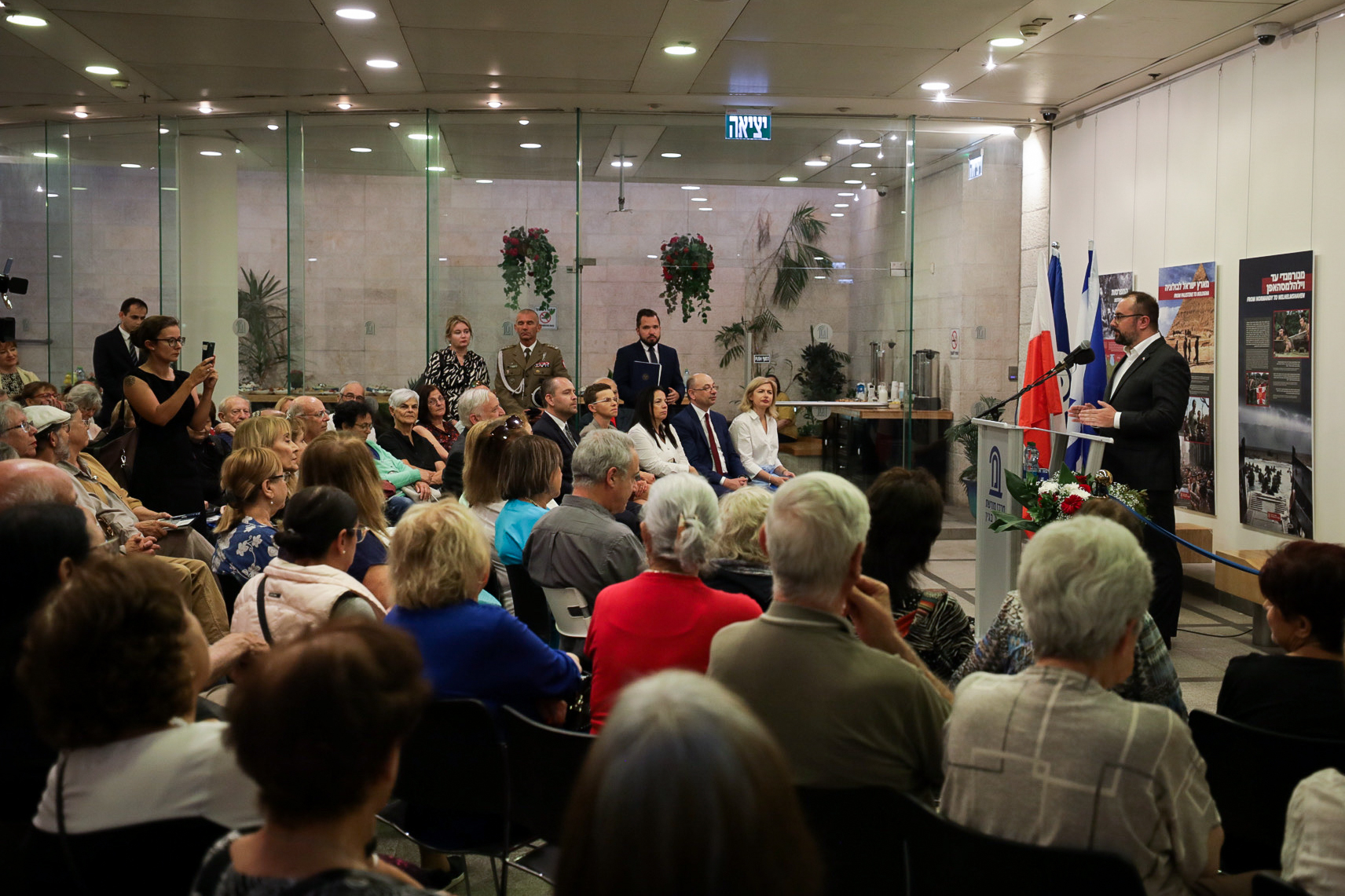
The opening of the exhibition coincided with the 80th anniversary of the establishment of the 2nd Polish Corps under General Władysław Anders in the Holy Land and the 75th anniversary of the State of Israel.