1 September 1939 changed the face of Europe forever. At dawn, German troops entered the Republic of Poland, starting the bloodiest conflict in the history of the world. 17 days later, another blow fell on Poland - Soviet troops attacked the eastern borders of the country. Polish lands were plundered, but the Poles never gave up hope for freedom.
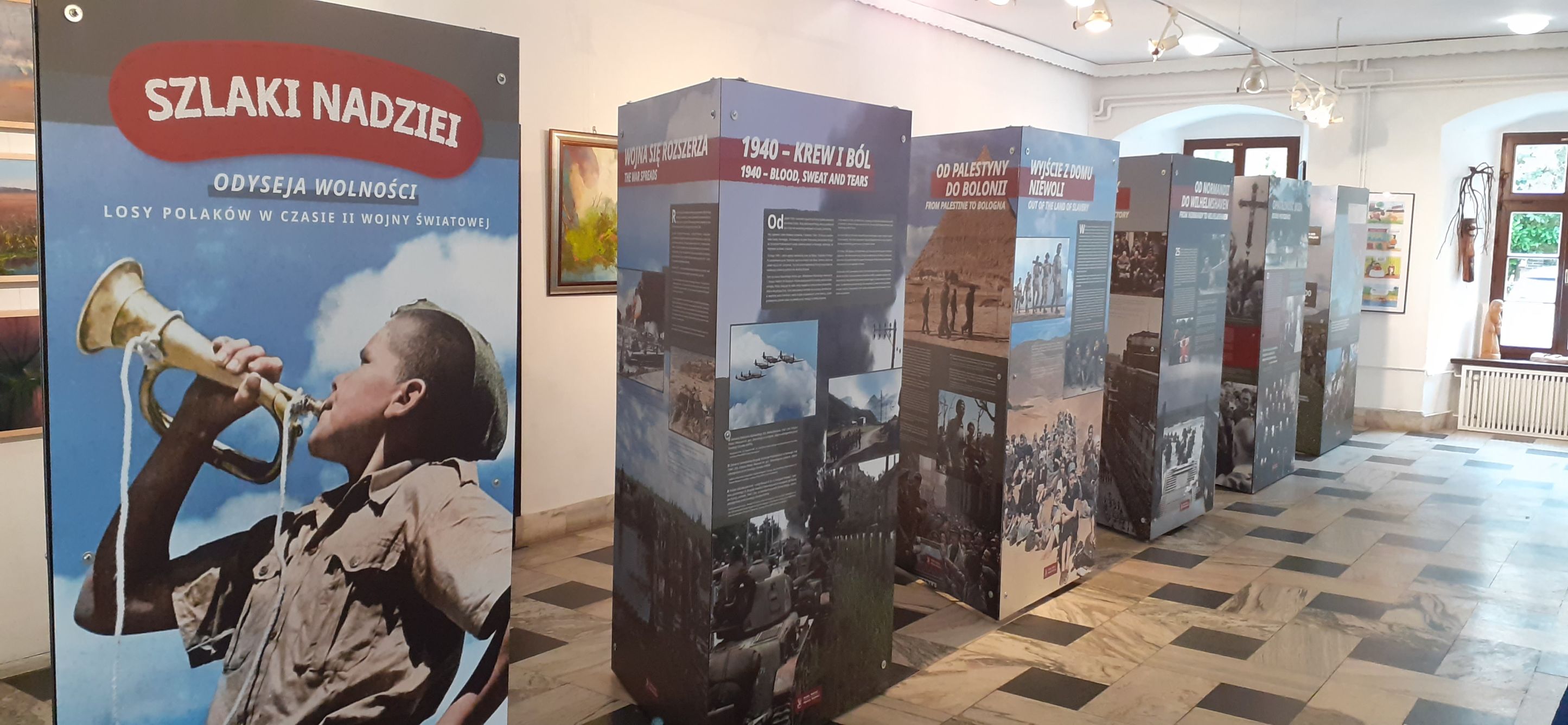
At the end of September 1939, the foundations of the underground army began to be created. The largest underground army in the world was operating in occupied Poland. Already in the first months of the war, thousands of Polish citizens found themselves outside the borders of the occupied country. Some were deported by the Soviets deep into Russia, where they were forced to work beyond their strength in extreme poverty. Others managed to make their way to the West and became involved in armed struggle and humanitarian activities. “Trails of Hope. The Odyssey of Freedom” is the story of people who travelled thousands of kilometres without losing sight of the goal of an independent Poland, a safe Europe, and a free world. It is the story of the military, fighting on all fronts of the Second World War, and of the civilians leaving the “inhuman land” together with the Anders Army. This is the story of the Silent Unseen - dropped under cover of darkness into occupied Poland, but also of the Tenger orphans - miraculously rescued from the camp hell. From distant Kamchatka, through the countries of Asia, Africa, Europe, all the way to Australia and the Americas, we want to talk about the contribution of Poles to the struggle for a world free of all totalitarianism. It is a story of fear and courage, of love for the loved ones and longing for the homeland, of heroism, sacrifice and the price of freedom - it is a story of hope.
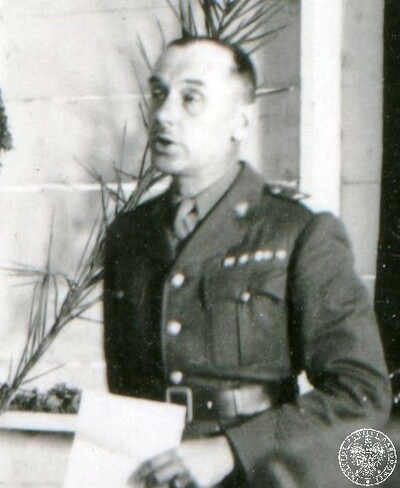
The exhibition also includes elements from Wielkopolska and the Lubuskie region. It tells the story of Colonel Wincenty Wierzejewski (1889-1972), Bishop Lucjan Bernacki (1902-1975), and the Franciscan Father Lucjan Królikowski (1919-2019).
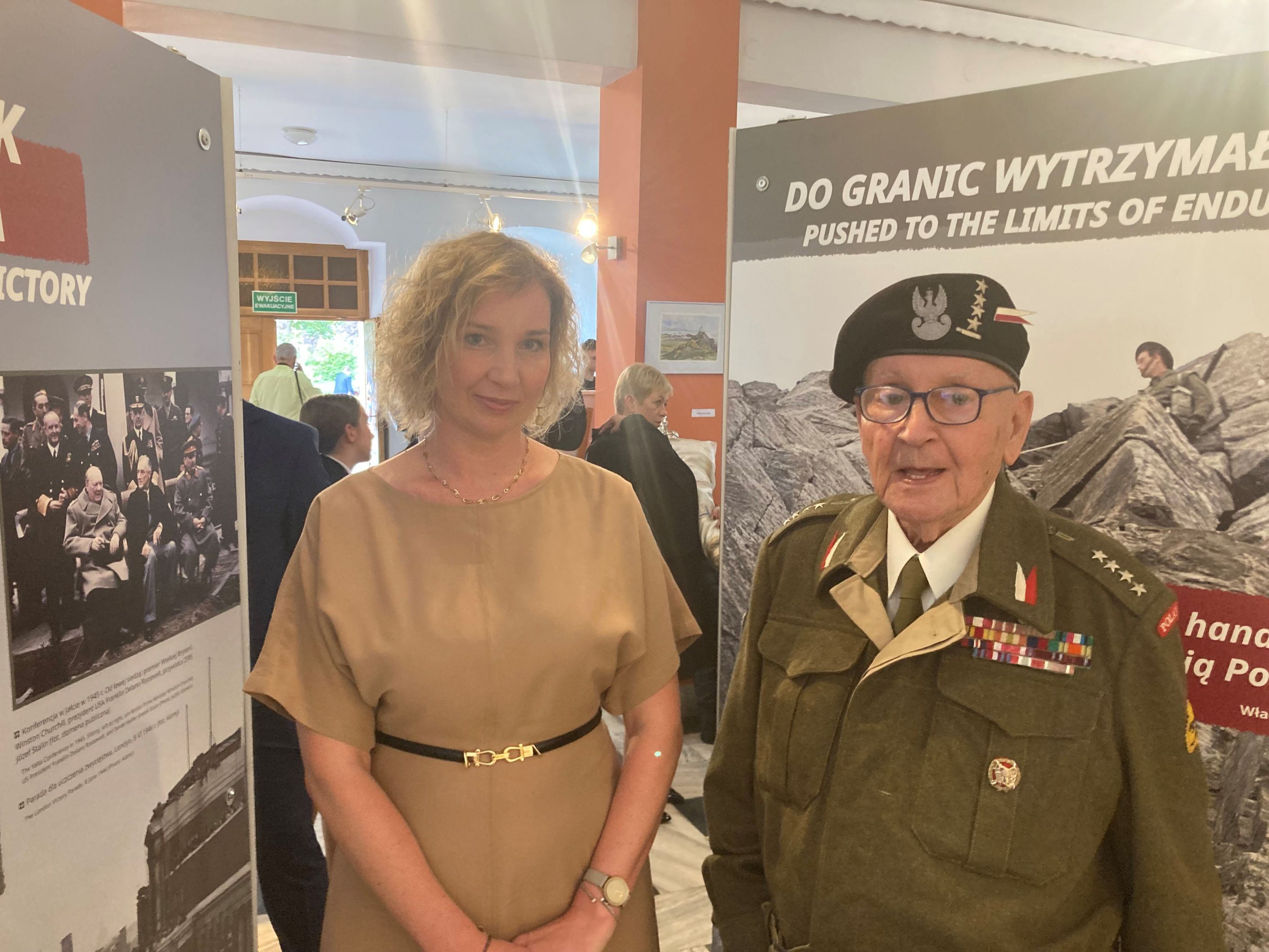
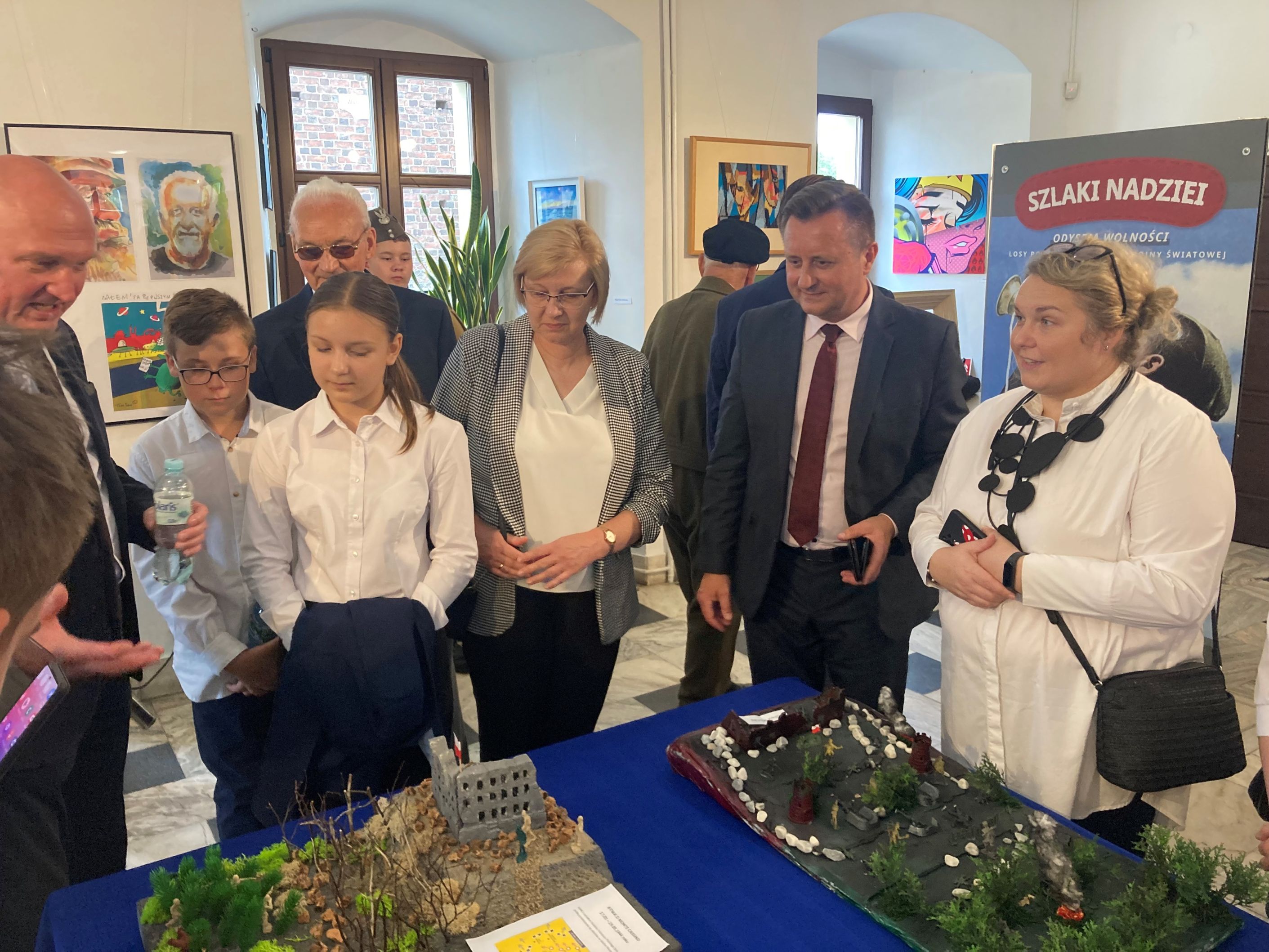
The introduction to the exhibition was presented by Marta Szczesiak-Ślusarek from the IPN branch in Poznań. Following the opening of the exhibition, delegations laid flowers at the plaques of the heirs to the combat traditions of the 5th Kresowa Infantry Division and the Carpathian Lancers Regiment.