The name of the country Argentina derives from the Latin word argentum, meaning silver - plata in Spanish, and is linked to the legend of the mountains full of silver sought by the Spanish and Portuguese conquistadors. However, Argentina appears on the map for the first time in 1536, when it is marked by Venetian merchants.
In the 19th century, Argentina, among the Latin American countries, became a place of residence for Poles. It is assumed that the first Poles in Argentina were soldiers from the Napoleonic wars. Next, Poles who had previously participated in the November and January uprisings arrived in Argentina. After 1905, there was a slightly larger influx of workers, linked to the economic growth of the region. Poles were looking for work in oil mining in Comodoro Rivadavia in the province of Santa Fe in Patagonia. In 1913, the first Association of Poles in Argentina was founded in Berisso, and it is still active today.
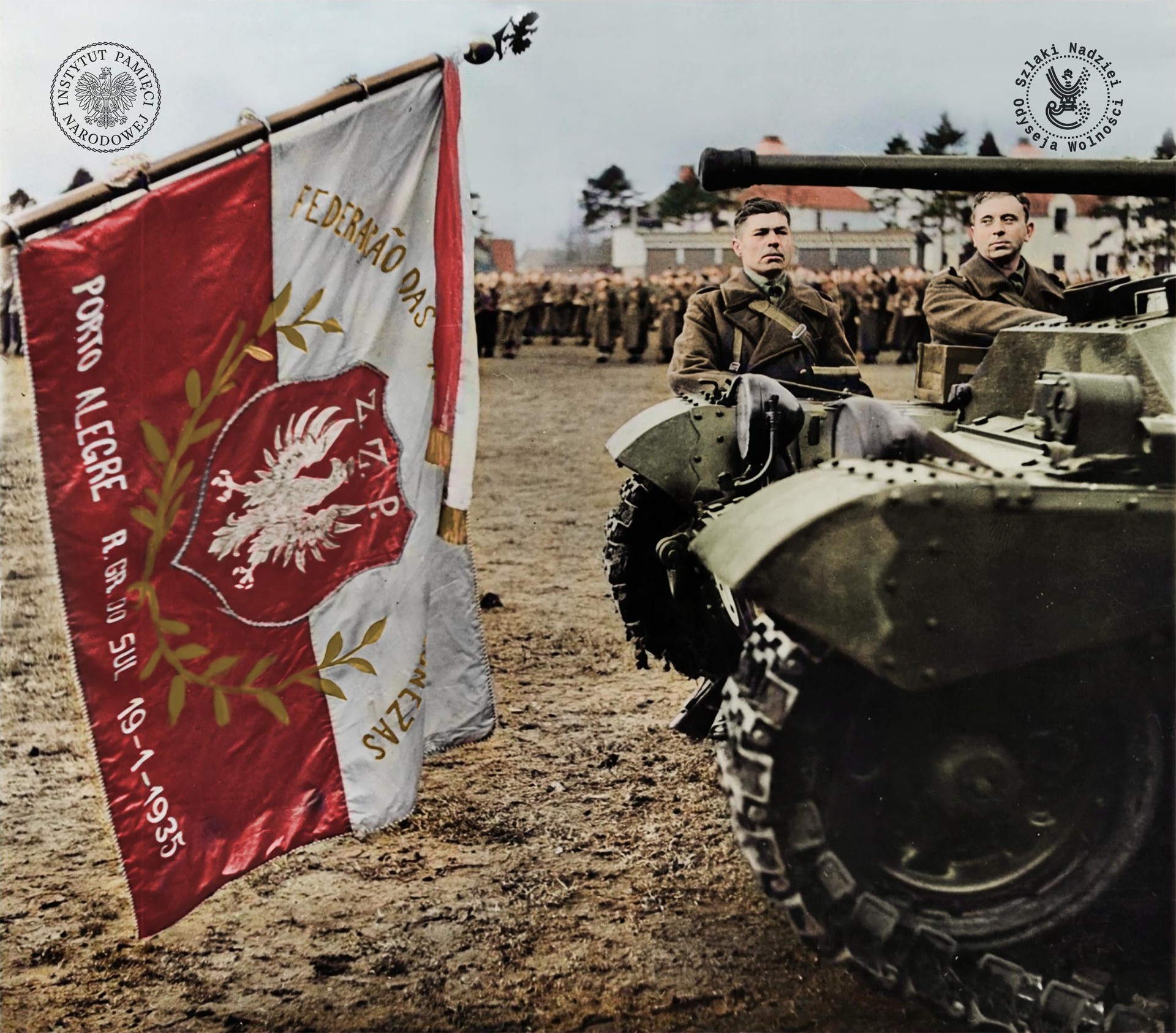
After the First World War, the number of arrivals from Poland to Argentina grew, and Argentina itself became the second country, after Canada, to which overseas emigration from Poland was heading at the time. It was no different during the Second World War, when Argentina became home to thousands of Poles fleeing criminal totalitarian systems. Among them was one of the most outstanding Polish writers of the 20th century - Witold Gombrowicz (1904-1969), who decided to wait out the war in Buenos Aires. As it turned out later, he lived there until 1963. It is worth noting that Poles living in Argentina supported the armed efforts of the Polish state in exile. In 1940, the Union of Poles in the Argentine Republic was established with its headquarters in the Polish House in Buenos Aires. More than 1,200 Argentine volunteers of Polish origin fought on the fronts of the Second World War.
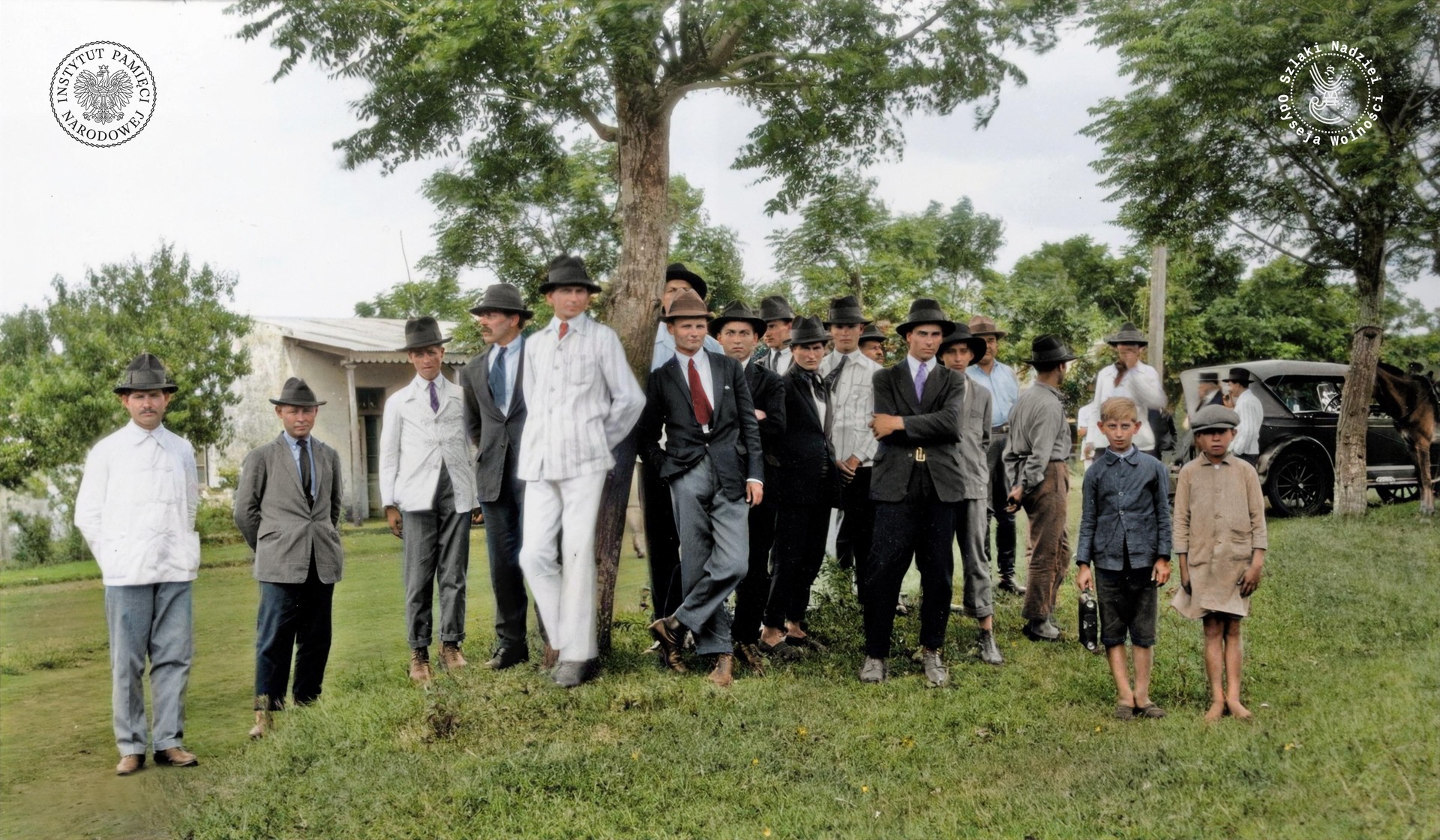
According to current data, Argentinians of Polish origin are the fourth European national minority in Argentina (after Italians, Spaniards and Germans) and the seventh largest concentration of Polish people in the world. As a rough estimate, there are about 500 000 of them, which means that 1 out of 86 Argentines has Polish roots. As many as 250 000 people with Polish roots live in the province of Misiones, where the first Polish settlers arrived in 1897 from Galicia.
The contribution of Poles to the construction of the Argentine state was recognised in 1995 with a national holiday in their honour. Argentina is the only country to celebrate Polish Settlers’ Day on 8 June (“Día del Colono Polaco” in Spanish). The day commemorates the official arrival of the first fourteen Polish families in Argentina at the beginning of June 1897. To mark the occasion, a week of cultural events dedicated to Poland and Poles is held in Buenos Aires under the auspices of the Polish Embassy, the Union of Poles, la Asociación Cultural Argentino Polaca and la Fundación Argentina.